- Name Recognition Training
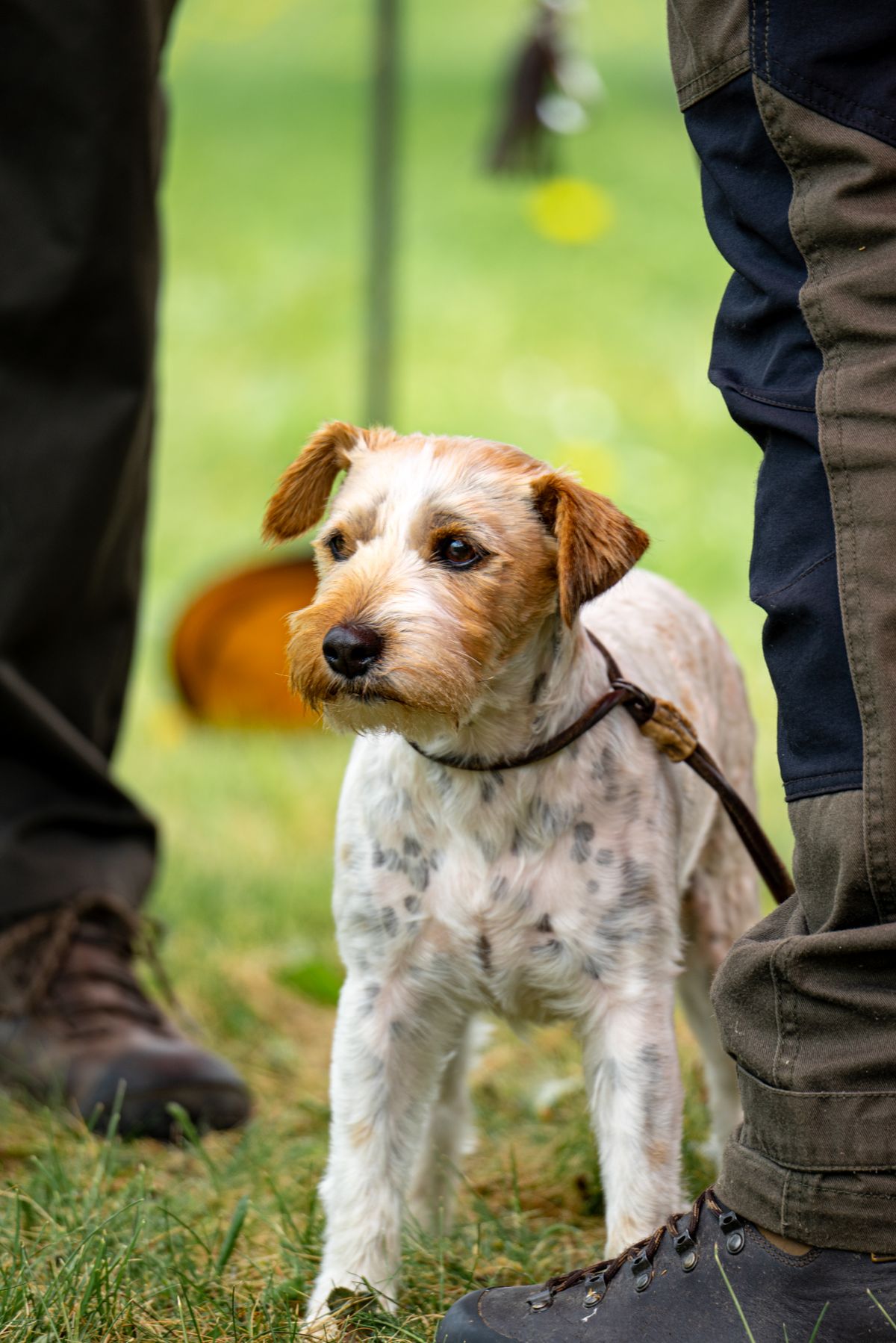
1. Call your dog's name while maintaining some distance at home.
2. If the dog ignores you, walk in the opposite direction while calling its name; praise and reward it immediately when it runs over.
3. Continue practicing in a quiet, open area to reinforce the lesson.
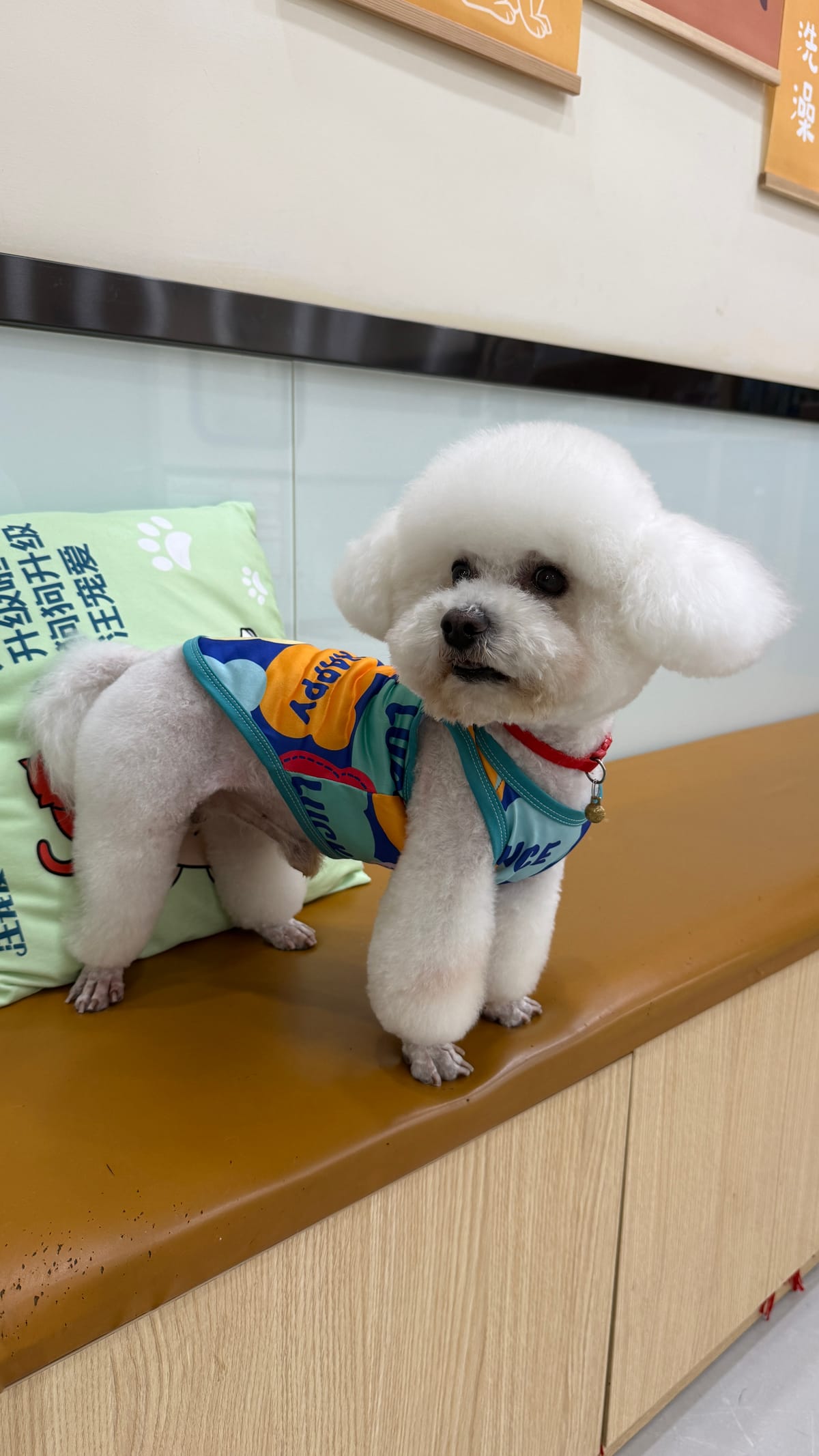
- Potty Training:
1. Use a crate at night.
2. Wake up at a set time in the morning, put on the leash, and go to the designated spot.
3. Say "pee" (or your chosen cue) the moment the dog starts to urinate.
4. Reward the dog after it finishes, then let it play.
5. If it urinates in the wrong place, say "No" and carry it to the correct spot.
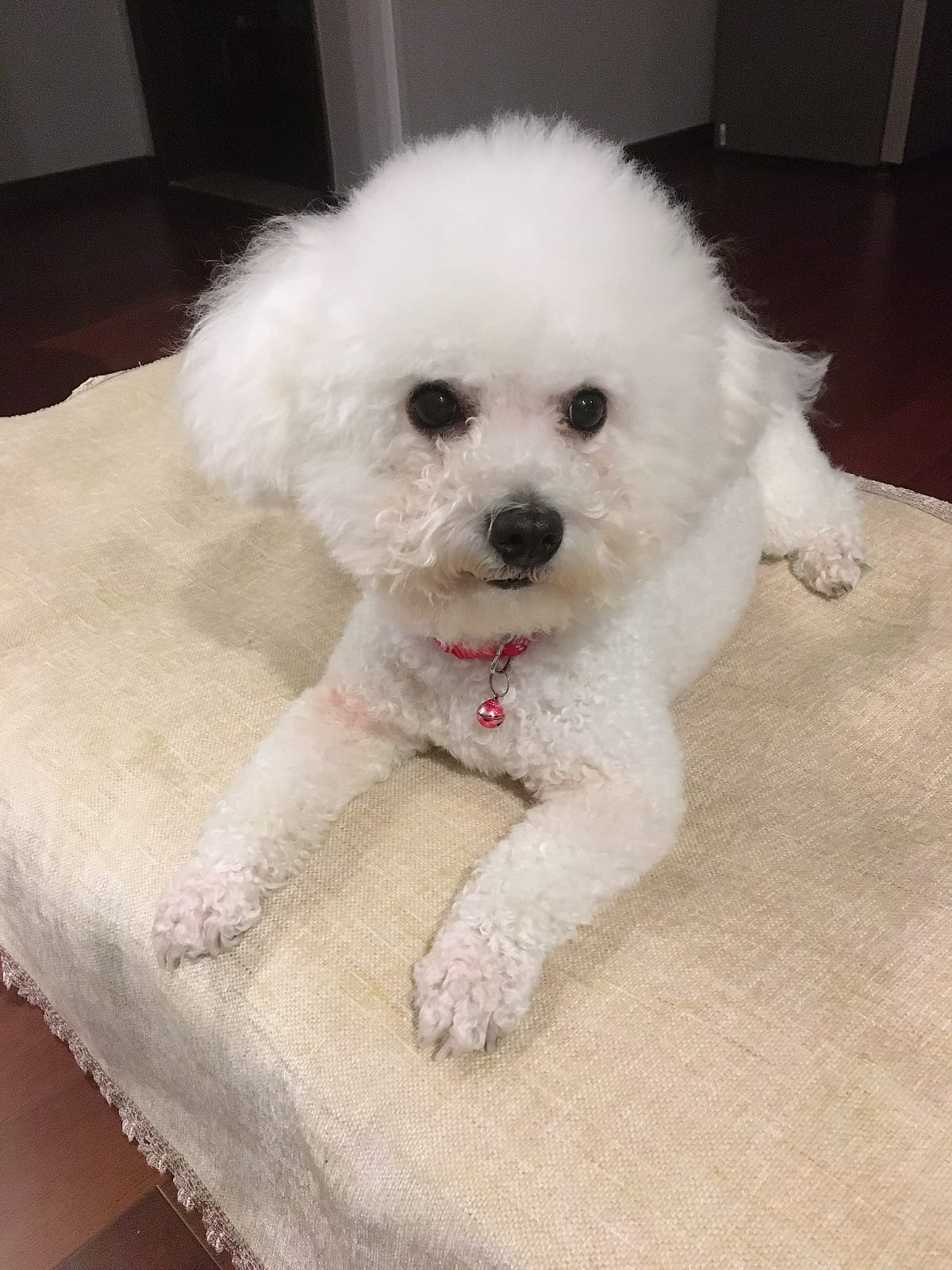
- "Down" (Lie Down) Training
1. Have the dog sit first.
2. Use a treat to guide the dog's head toward the ground.
3. Slide your hand along the floor while using your other hand to help guide it into a lying position; reward upon success.
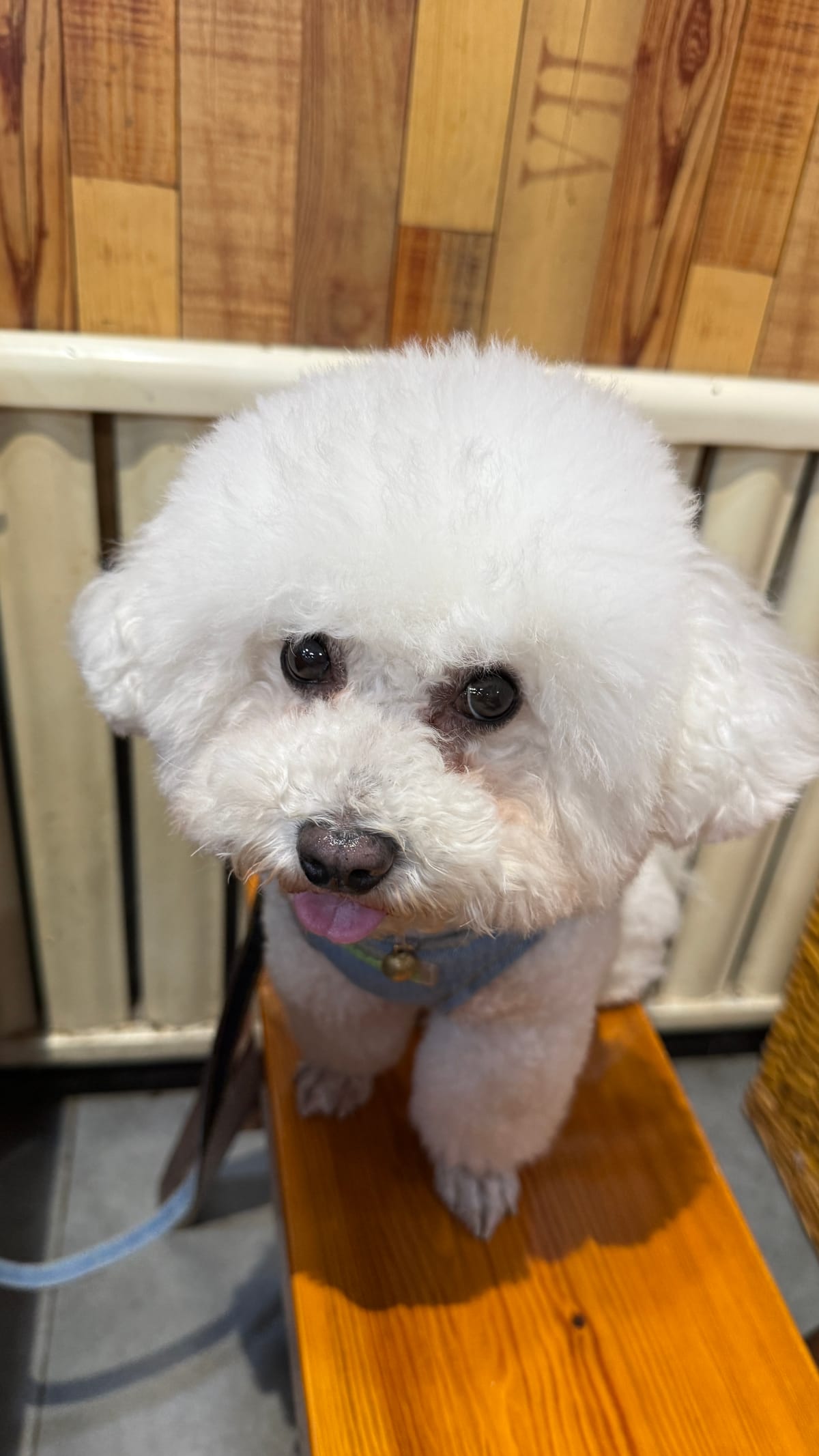
- "Shake" (Handshake) Training
1. Gently lift the dog's paw while saying "Shake."
2. Immediately reward and praise.
3. Repeat the exercise.
4. Extend your hand and wait for the dog to place its paw on it; if it doesn't understand, go back to the previous steps.
- "Sit" Command
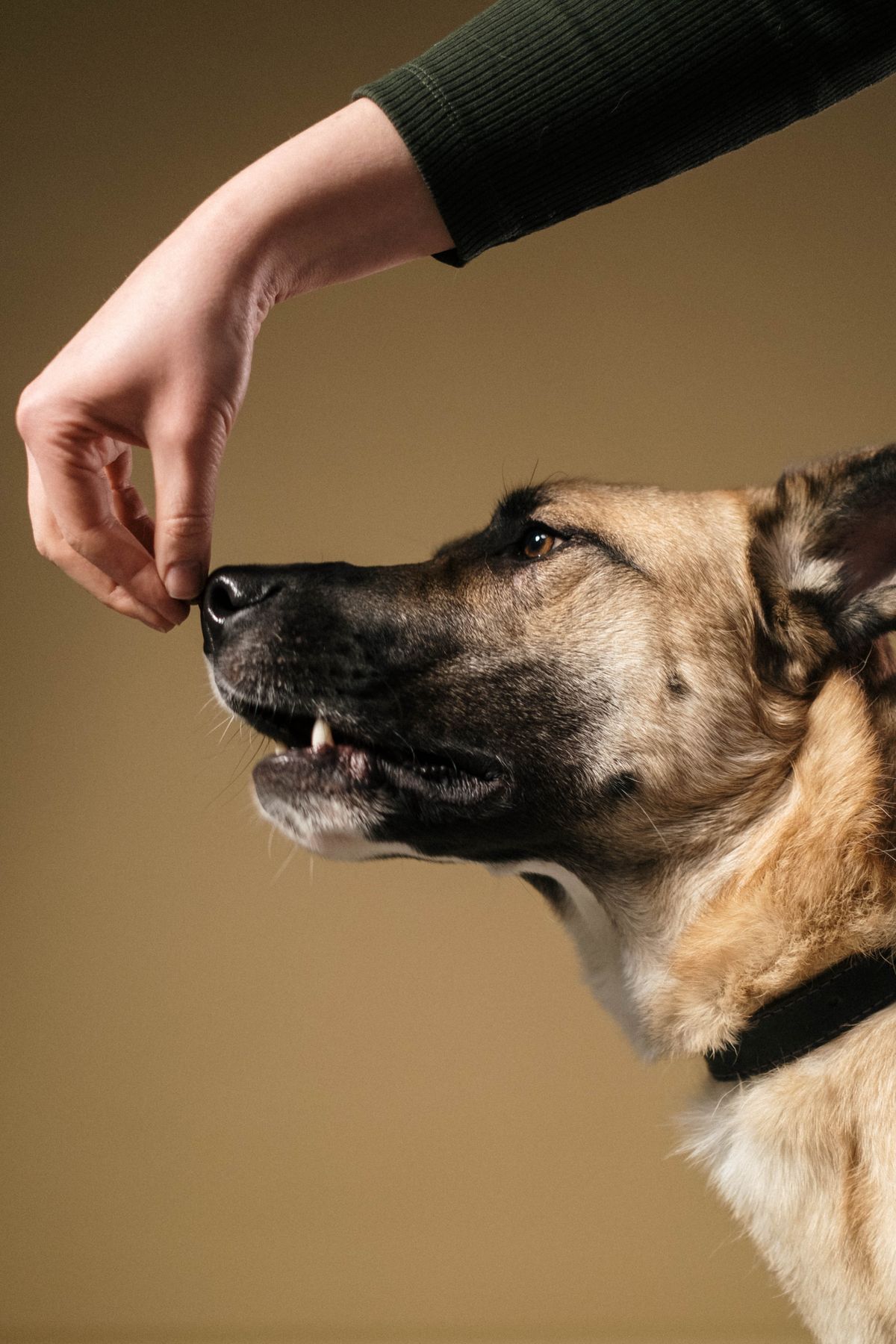
1. Place a treat in your palm and let the dog smell it.
2. Slowly raise your hand to guide the dog to look up and tilt its head back.
3. Gently press down on the dog's hindquarters while saying "Sit."
4. Reward and praise enthusiastically as soon as it sits properly.
- "Wait" Training
1. Hold the dog's bowl and have the dog sit.
2. Say "Wait."
3. Slowly lower the bowl; if the dog stands up, start over.
4. Continue until it can wait patiently for the bowl to be placed on the ground.
- "Roll Over" Training
1. Have the dog lie down and wait.
2. Use a treat to guide its head from its nose toward its shoulder.
3. Gently push to help it roll onto its side.
4. Reward upon success; repeat until it can do it on its own.
- "No" Command
1. When the puppy bites your hand during the teething stage:
2. Gently tap its nose and say "No" loudly.
3. Immediately stop interacting and turn away, ignoring it for a while.
4. Practice repeatedly until it stops misbehaving upon hearing the command.
- "Leave It" (Refusing Food) Training
1. Scatter treats on the ground.
2. When the dog rushes toward them, cover the treats with your hand and say "No."
3. Have the dog "Sit" and "Wait."
4. Remove your hand, say "Wait," and after 3 seconds, reward and praise; repeat the cycle.
- Correcting Excessive Barking
1. If it barks in the crate (usually seeking attention):
2. Completely ignore it and leave the room.
3. Return and reward it after 5 seconds of silence so it learns that being quiet brings benefits.
4. Deliberately leave, return after 10 seconds of silence to reward it, and gradually increase the duration.