
Cats NEW
Make a Window Perch Your Cat Can Use Comfortably
A window can be a small indoor cat's busiest place. Light moves across the floor, a delivery person passes, and leaves flicker beyond the glass.
 The Pet Journal
Cat breeds, behavior guides, daily care tips, litter box training, and product recommendations for feline friends.
A window can be a small indoor cat's busiest place. Light moves across the floor, a delivery person passes, and leaves flicker beyond the glass.
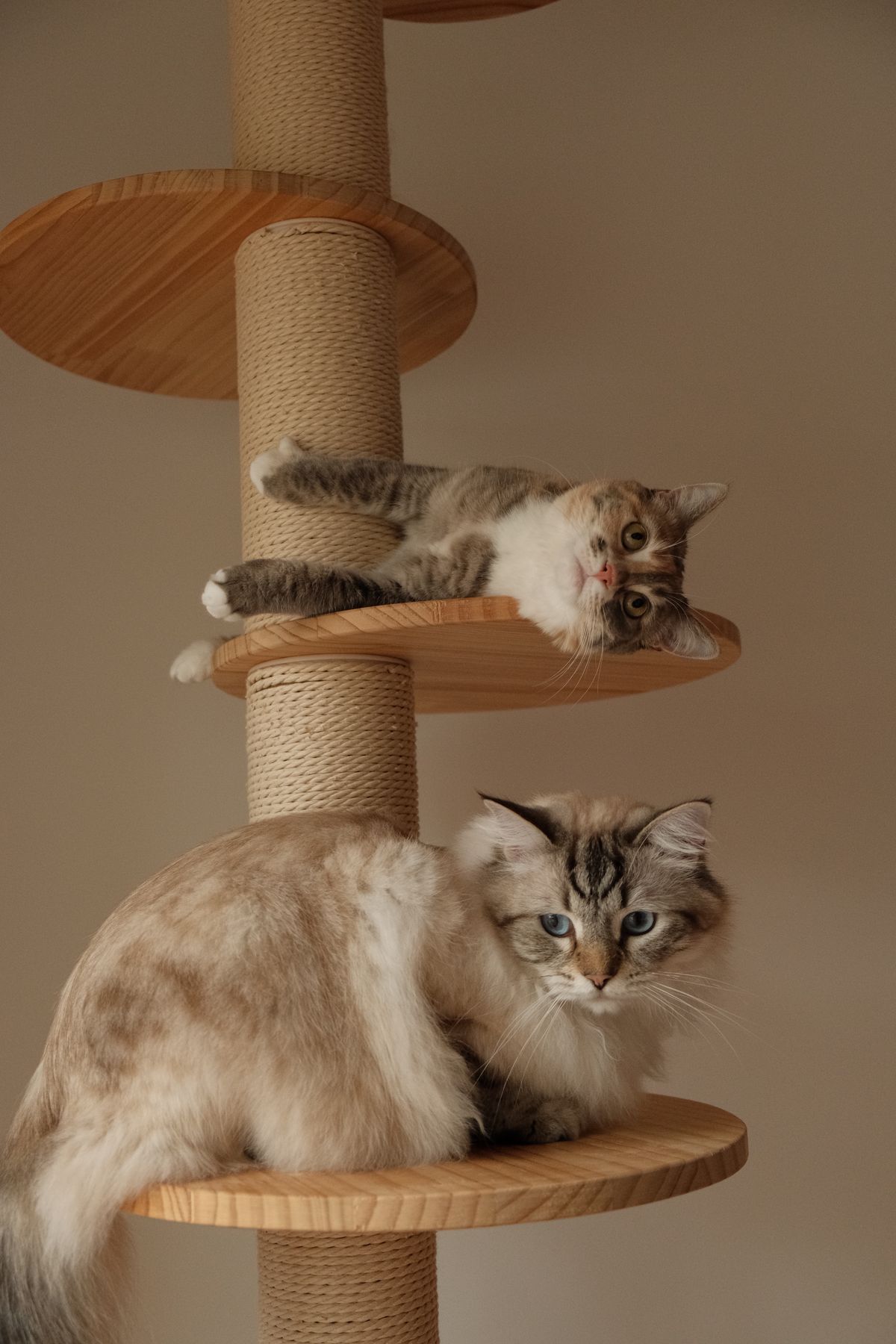
Two cats can share a room without being equally comfortable in it. One may sleep in the best chair while the other waits near the door.
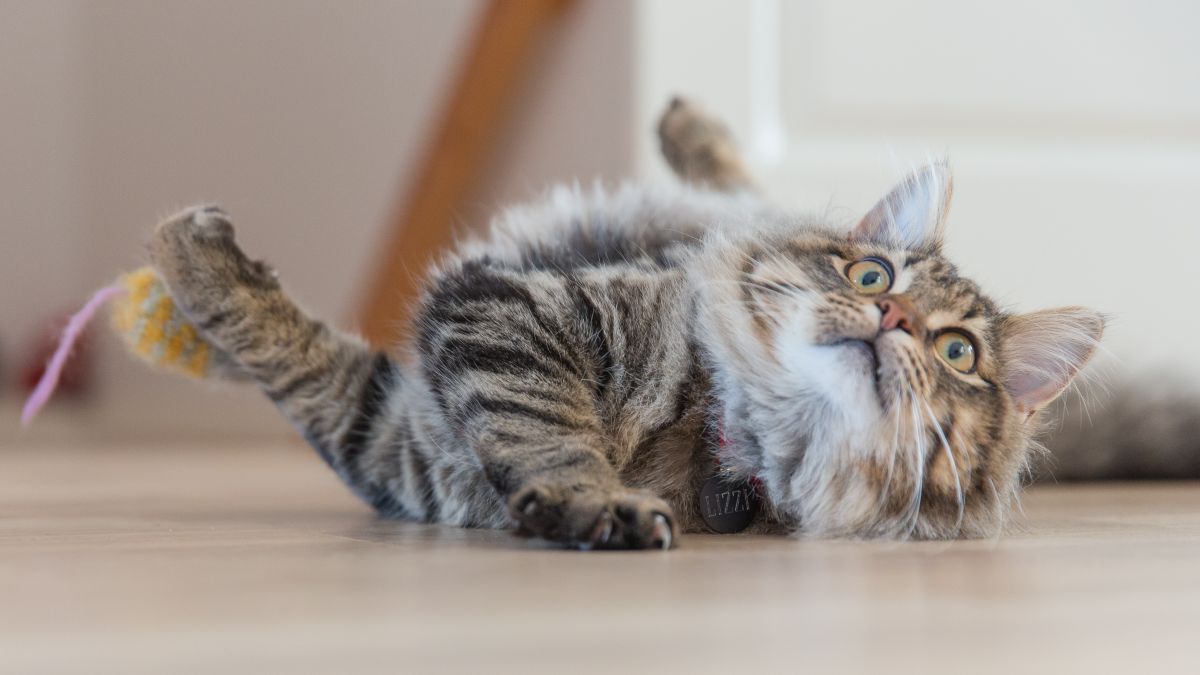
A wand toy appears simple: move it and the cat chases. Yet the difference between a satisfying session and a frantic one often lies in the details.
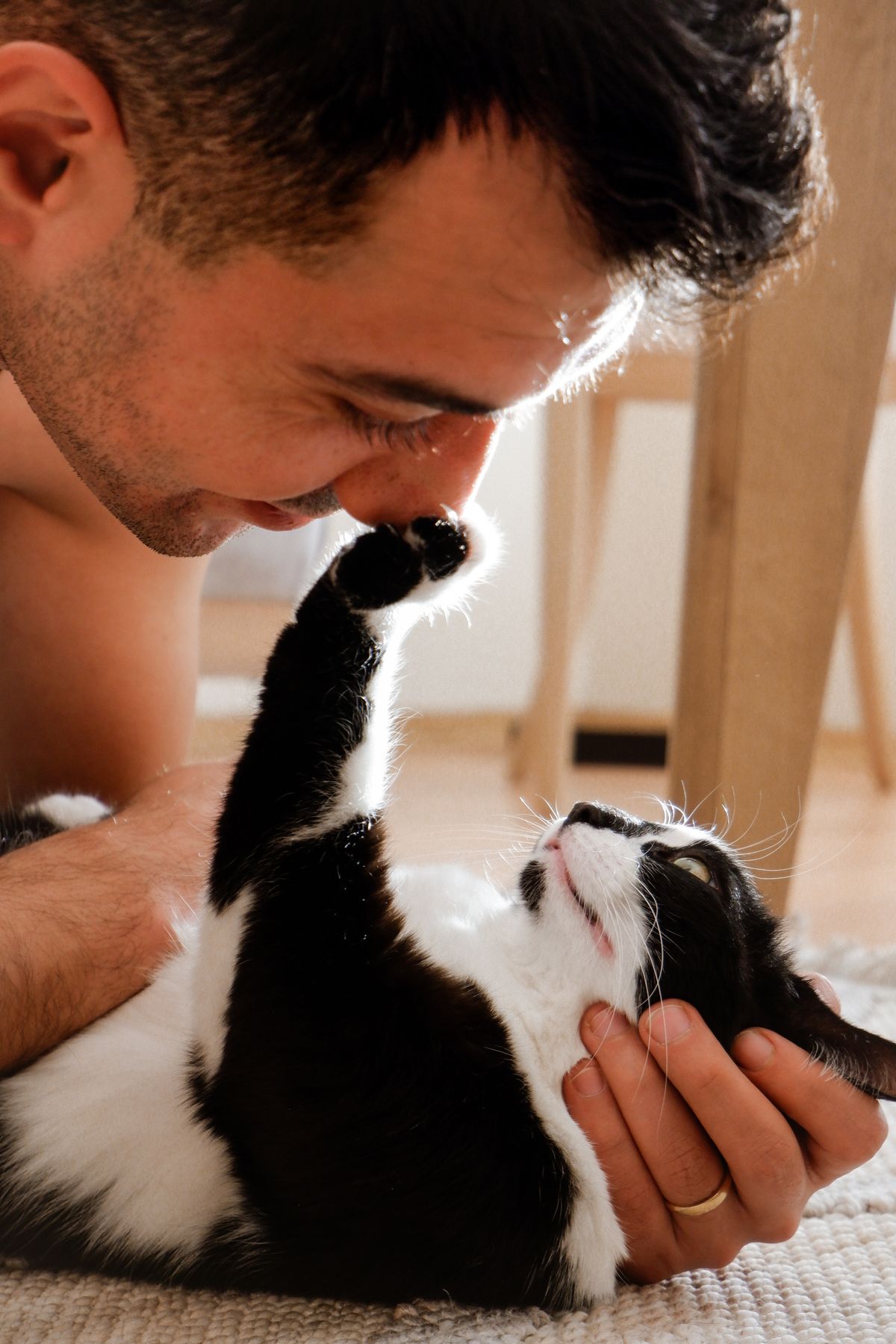
During the first two weeks after a kitten arrives home, a stable environment, familiar food and litter, low-pressure interaction, gradual exploration, and consistent health observation help it adapt smoothly, with prompt veterinary care if abnormalities occur.
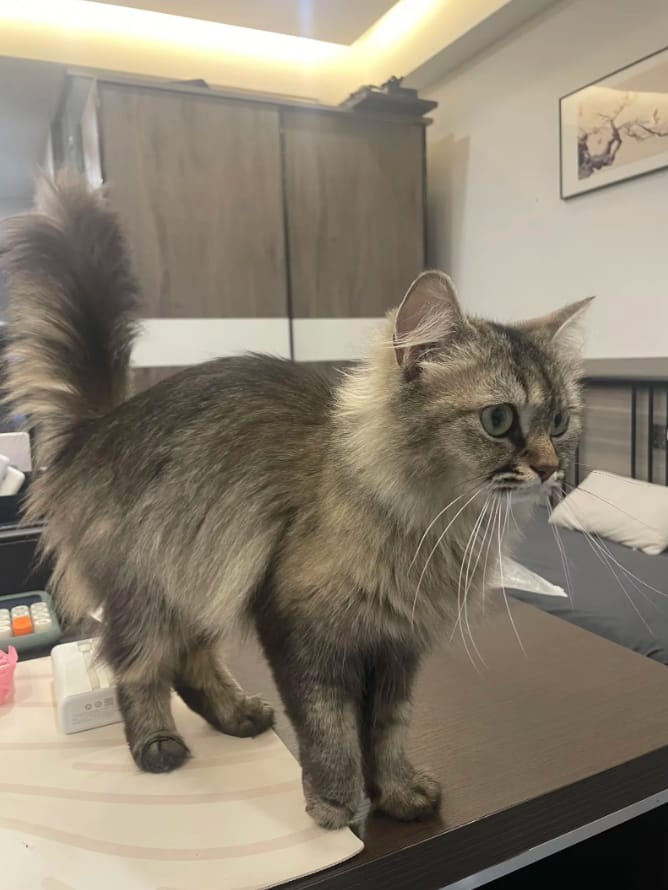
Provide appropriate toys and activities.

If a cat still doesn’t drink more after switching to a water fountain, first check the drinking location, container cleanliness, noise, multi-cat resources, and food moisture, then track diet, urination, and behavior for a week, and seek veterinary care for persistent abnormalities instead of just changing devices or forcing water.

The key to stopping a cat from scratching the sofa is not simply buying a scratching post, but observing the cat’s habits, placing the right post exactly where it already wants to scratch, and combining rewards with temporary sofa protection to guide it gradually.
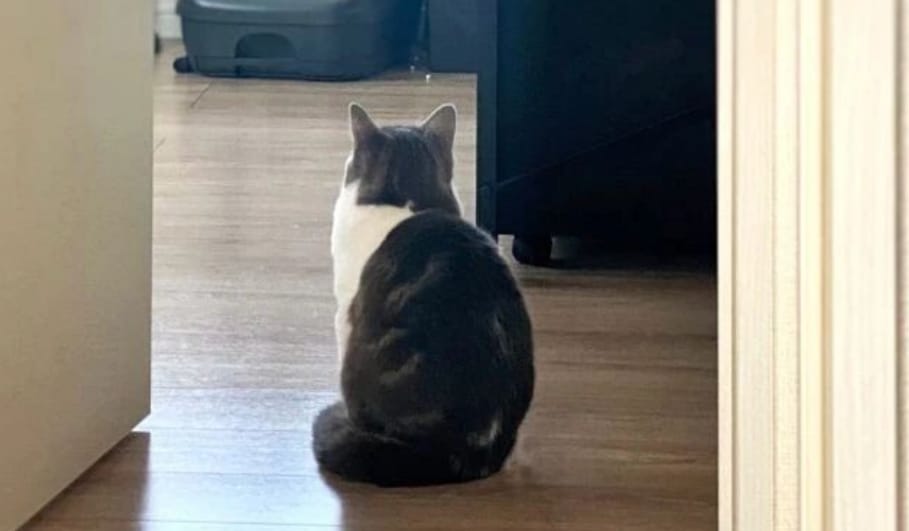
Cats don't scratch at the bedroom door at night to deliberately keep you awake—it's usually down to their natural sleep‑wake cycle, pent‑up energy, or separation anxiety, so the real fix is to gently adjust their daily routine and make them feel more secure.

How do you shape your cat's personality to make it well-behaved and affectionate? Read this to find out.
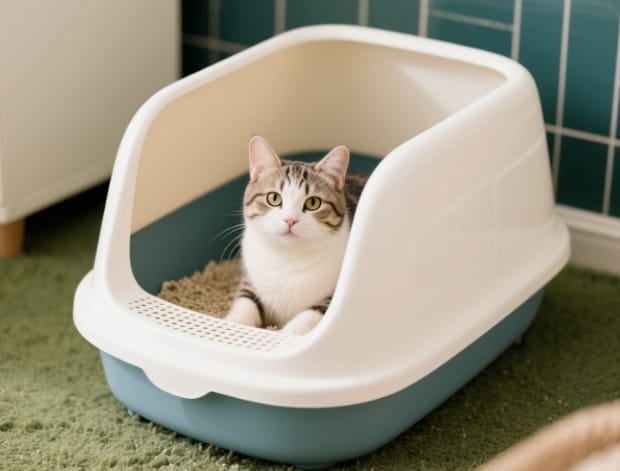
Cats may pee immediately after fresh litter is put down because they are marking territory, feeling curious, holding it in, or seeking attention, so litter should be scooped daily and fully changed every two to four weeks.

Helping a shy cat adapt to visitors requires first establishing a safe zone, then using gradual desensitization and positive interaction alongside ongoing stress monitoring, emergency handling, and long-term environmental management.