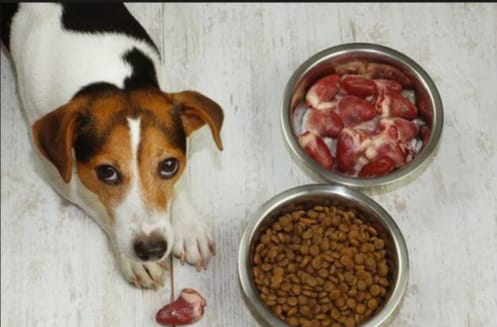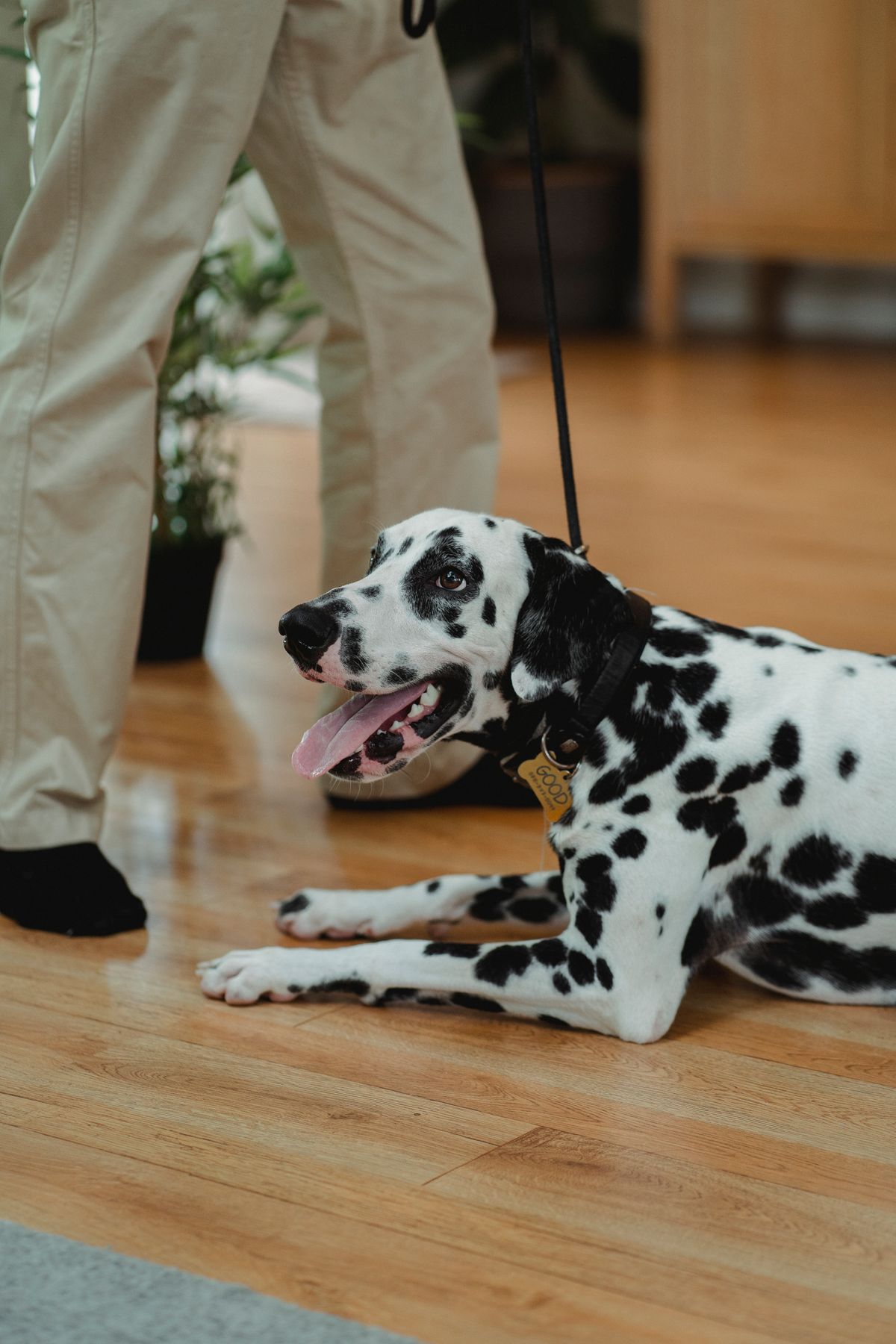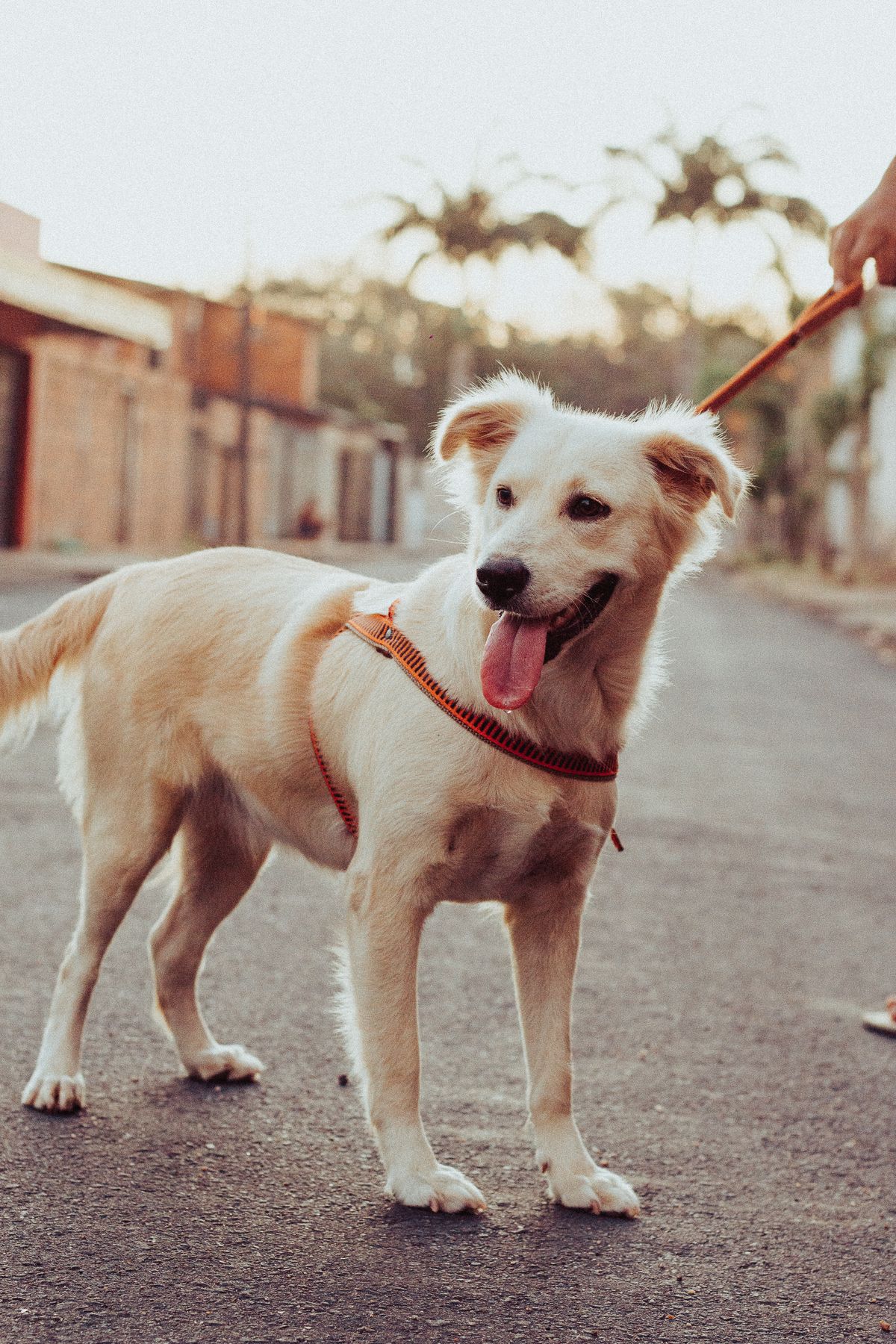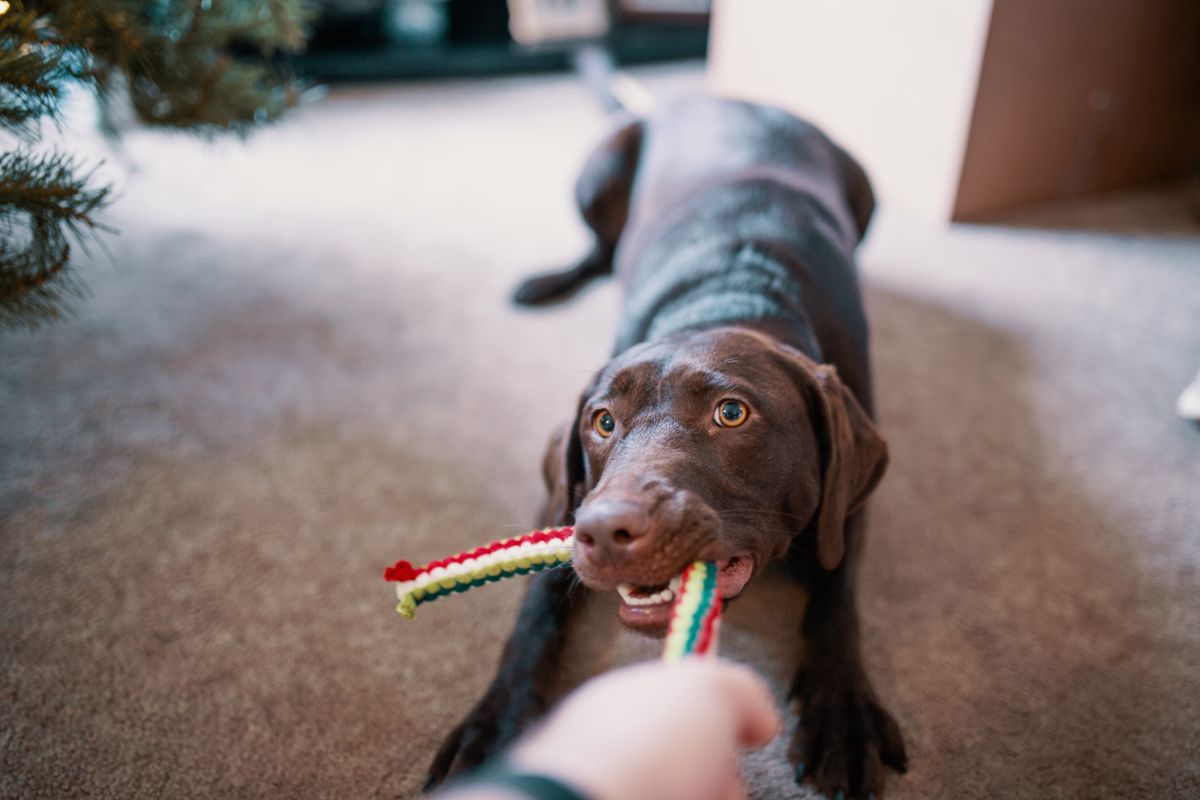
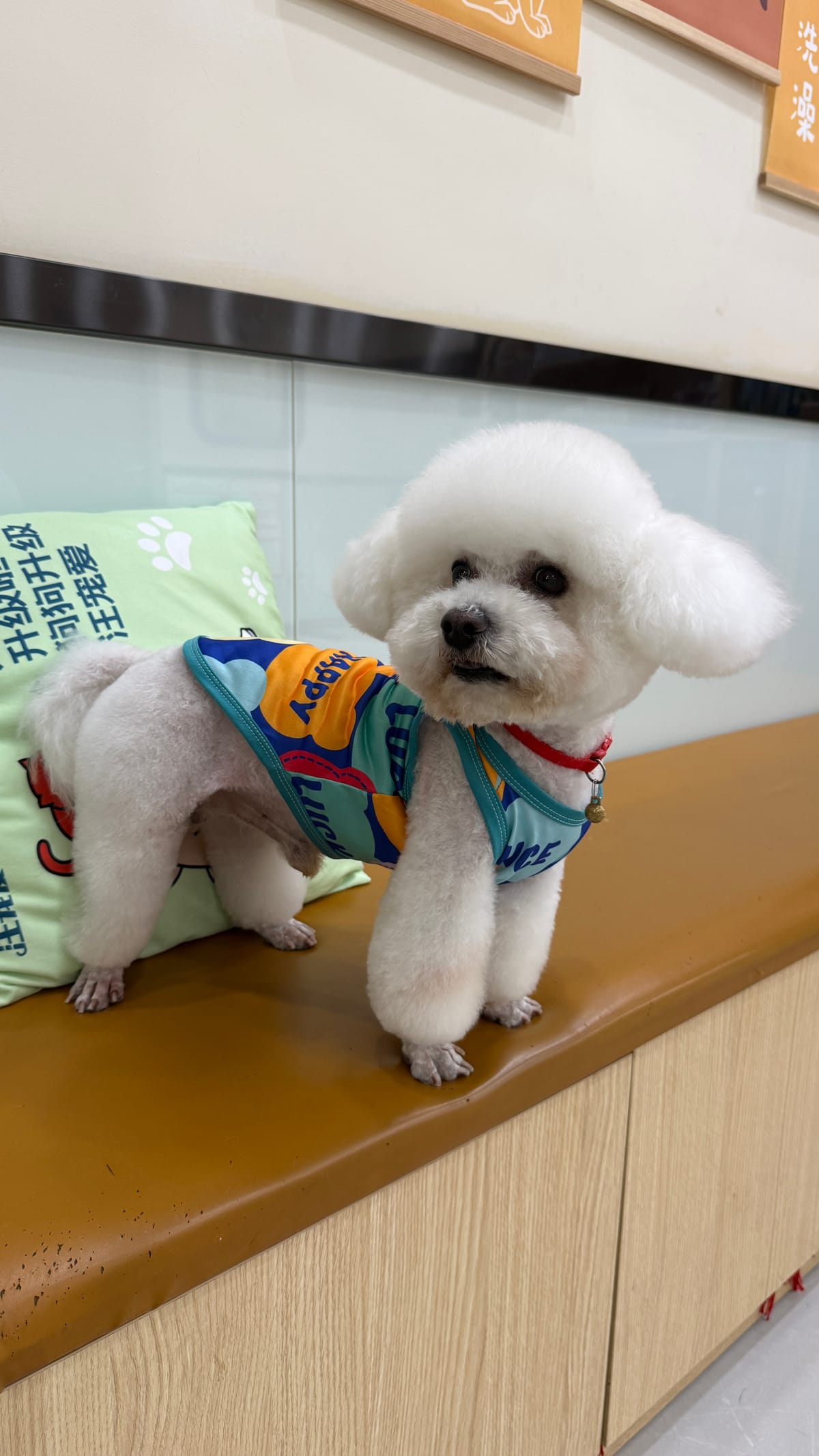
Many dog owners simply enjoy the companionship and cuddles their dogs provide, often overlooking basic training. In reality, training isn't just about teaching tricks; it builds trust and serves as a vital safety measure. A simple command can prevent dangerous situations—such as your dog getting lost, eating something harmful, or bolting—when you're out and about. Here are 10 essential skills you can teach at home using treats; they are easy for even beginners to master.
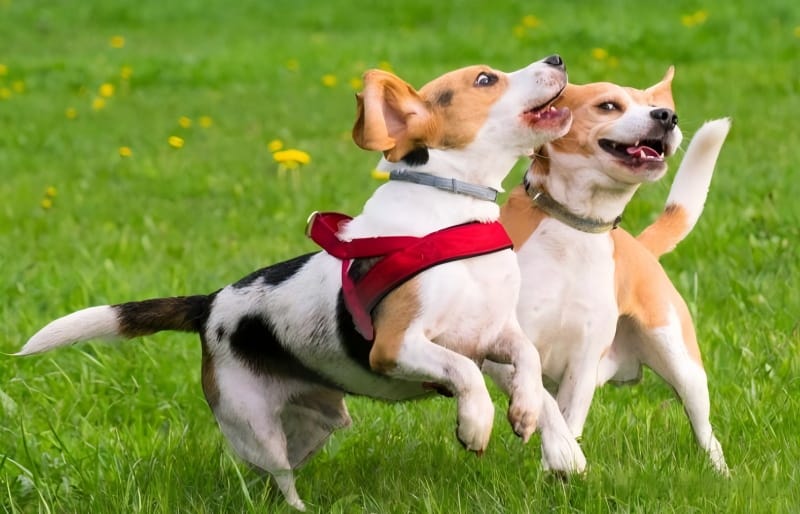
"Sit" Training Method:
1. Hold a treat in front of your dog's nose.
2. Slowly move it upward over their head; the dog will naturally sit down.
3. As soon as their bottom touches the ground, say "Sit" and give the treat. Practice ten times a day; after three days, try giving the command without the treat. ✅ Usefulness: Helps calm the dog down during mealtime, when opening doors, or when meeting strangers, preventing them from jumping on people.
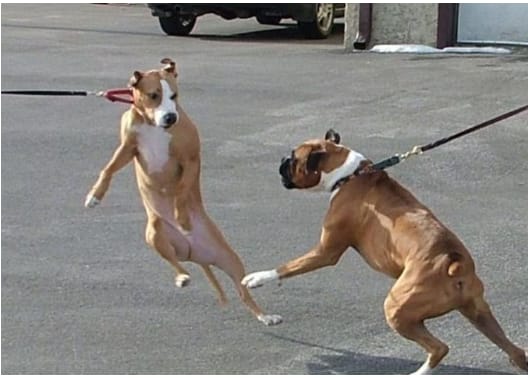
"Shake Hands" Training Method:
1. Have the dog sit first, then hold a treat close to their nose.
2. Slowly move the treat to the side (left or right); when the dog reaches out a paw for it, catch the paw with your other hand.
3. The moment you touch the paw, say "Shake" and give the treat. ✅ Usefulness: Gets the dog used to having their paws handled, making future nail trimming or paw inspections much easier.
"Lie Down" Training Method:
1. Have the dog sit first, then hold a treat close to their nose.
2. Slowly pull the treat forward along the ground (tracing a horizontal line).
3. As soon as their belly touches the ground, say "Lie down" and give the treat. ✅ Usefulness: Quickly calms the dog down, ensuring they stay still and well-behaved when guests visit or while you are cleaning.
"Wait" (Stay) Training Method:
1. Have the dog sit, hold your palm upright in front of its face, and say "Wait."
2. Take half a step backward (sliding your feet without lifting them).
3. If the dog doesn't move, rush back within 3 seconds, say "Good!", and give a treat. ✅ Benefits: Prevents bolting when opening doors; ensures patient waiting before meals; prevents the dog from suddenly running out and getting lost.
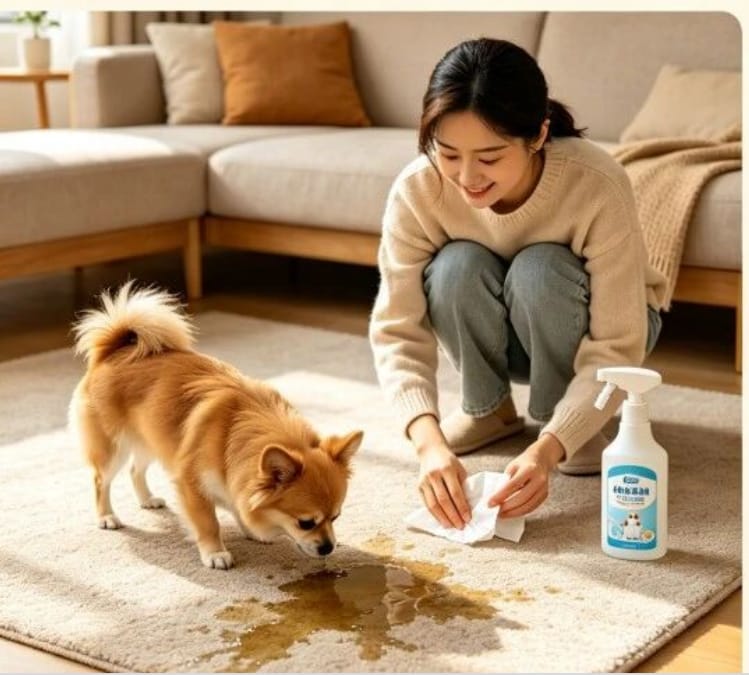
Designated Spot Potty Training Method:
1. When you notice the dog circling and sniffing the ground, immediately carry it to the pee pad.
2. Calmly repeat the cue "Potty" (or "Poop"); once it finishes, immediately give a treat and praise it with a head pat.
3. If you catch it eliminating in the wrong place, immediately shake your keys to make a noise (do not scold), carry it back to the pee pad, and wait quietly. ✅ Benefits: Stops random elimination around the house; reduces cleaning hassles.
Excessive Barking Correction Method:
1. When the dog barks unnecessarily, everyone must instantly freeze like a statue (no talking, looking, or touching) until it stops barking.
2. After 3 seconds of silence, suddenly bring out a toy or treat-dispensing ball and say "Find it!" to encourage sniffing out the treats.
3. While the dog is focused on finding treats, quietly say "Quiet" and offer a reward. ✅ Benefits: Reduces random barking; avoids disturbing neighbors; helps the dog stay calm when facing triggers.
"Come" (Recall—a life-saving skill) Training Method:
1. Hold a treat in your hand, step back a few paces, and call out the command "Come" to the dog.
2. As the dog runs toward you, immediately praise it and give the treat upon arrival.
3. Gradually increase the distance; remember never to scold or hit the dog after a successful recall. ✅ Benefits: Allows you to recall the dog during critical moments on walks; prevents it from running into traffic or ingesting toxic items.
"Drop It" / "Release" Training:
1. When the dog is holding something in its mouth, offer a more aromatic treat near its nose.
2. As soon as it drops the item, say "Drop it" and immediately reward it with the treat.
3. Practice repeatedly so the dog understands that dropping an item leads to a tasty reward, rather than having the item snatched away or getting scolded. ✅ Benefit: Ensures the dog can promptly spit out dangerous items like stones, plastic bags, or toxic substances—potentially a lifesaver in critical moments.
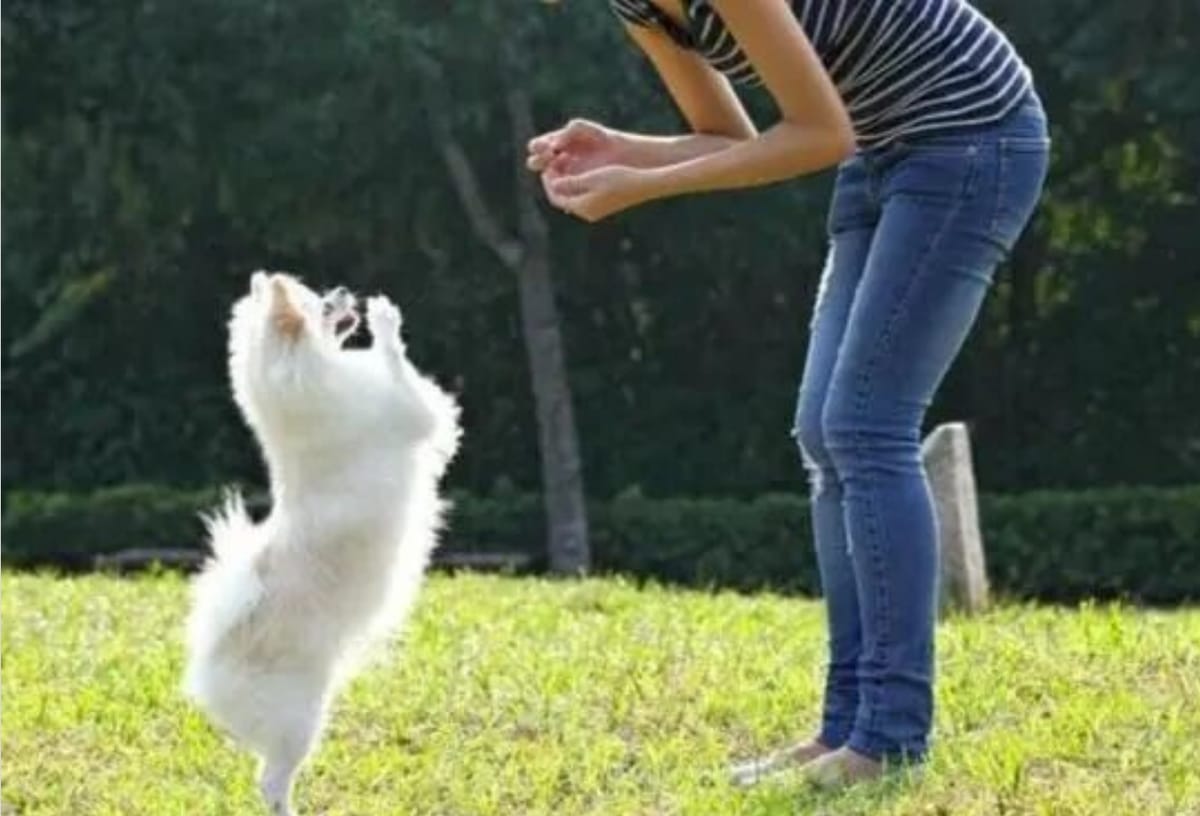
"Leave It" (Refusing Food) Training:
1. Place food in your hand, hold your open palm out in front of the dog, and say "Leave it."
2. If the dog does not try to lick or eat the food, reward it with a different treat.
3. Advanced practice: Place food on the ground; the dog may only eat it after receiving your verbal permission. ✅ Benefit: Prevents the dog from eating unknown food found on the ground or accepting food from strangers.
"Heel" (Walking by Your Side) Training:
1. Have the dog stand by your left leg while holding a treat in your hand.
2. Walk forward slowly; if the dog stays by your side without pulling the leash, reward it immediately.
3. If the dog lunges or pulls, stop moving; wait for the dog to relax and return to your side before continuing. ✅ Benefit: Ensures the dog walks calmly without lunging or pulling the leash, preventing it from startling passersby.
Training Tips: Keep each training session to about 5–10 minutes; dogs have limited attention spans, so short, frequent sessions yield the best results. Use positive reinforcement throughout—avoid hitting or scolding. Physical punishment or yelling causes fear, making it harder for the dog to understand commands and damaging the trust between you. Training takes time; be patient, and the dog will gradually learn to understand your instructions. Mastering these 10 skills will make life much easier—whether at home or out for a walk—and provide an extra layer of safety for your dog.