InfosmotusThe Pet Journal
A journal for the way you live.

Categories

Pet Care / THE JOURNAL

14 Distress Signals Before a Cat Gets Sick! The First One Is Most Easily Overlooked

14 Distress Signals Before a Cat Gets Sick! The First One Is Most Easily Overlooked

Luke · August 4, 2026 · 2 min read
14 Distress Signals Before a Cat Gets Sick! The First One Is Most Easily Overlooked

"It was perfectly fine yesterday—how did it suddenly get sick?"

Having worked in the pet industry for years, I have to tell you: cats don't just fall ill suddenly; they have likely been enduring the condition for a long time.

Cats are natural masters at masking pain; by the time obvious symptoms appear, the condition is often already severe. Spend three minutes each day observing these few things:
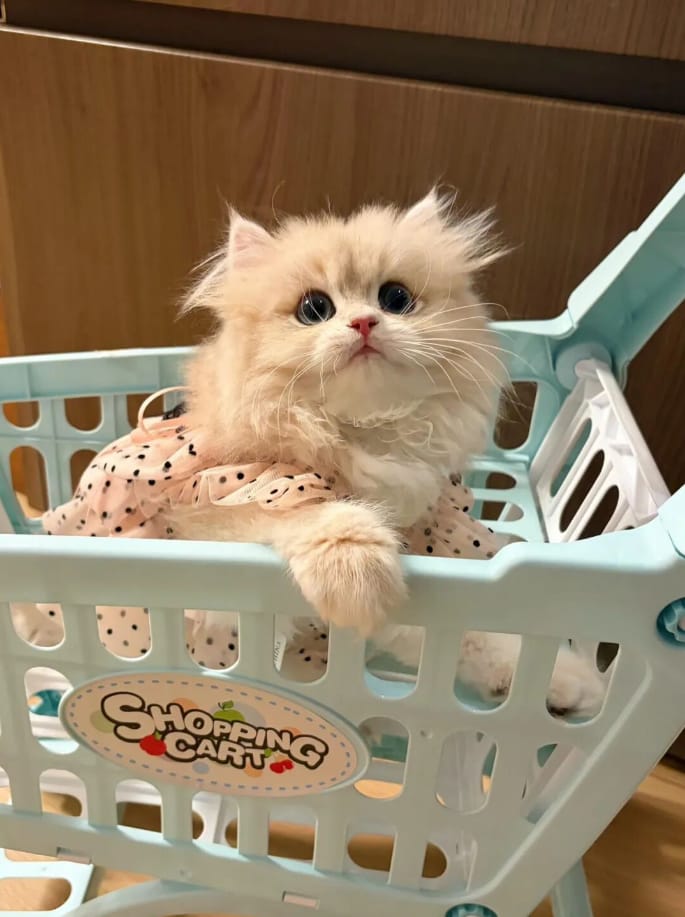
Behavioral Changes

Suddenly hiding for extended periods or refusing food and water—seek immediate veterinary care if this lasts over 24 hours

Suddenly becoming irritable when previously affectionate, or becoming unusually clingy when previously aloof

Stopping grooming; coat becoming unkempt and greasy

Diet and Elimination

Not eating for more than 24 hours—a warning sign

Suddenly drinking excessive amounts of water or refusing to drink at all

Urine clumps becoming smaller, bloody urine, or inability to urinate—urinary obstruction in male cats is a medical emergency

Persistent soft stool, diarrhea, or constipation

Physical Signs

Half-closed eyes, ears flattened sideways (like airplane wings), and a tense mouth

Frequent "loafing" posture (hunched back, lowered head, and tucked-in limbs) → potential abdominal pain

Rapid breathing or open-mouth breathing → requires immediate veterinary attention

Significant, rapid weight loss

Cats cannot speak, but every subtle change tells you: "I am unwell." When in doubt, it is better to ask than to miss the critical window for treatment.

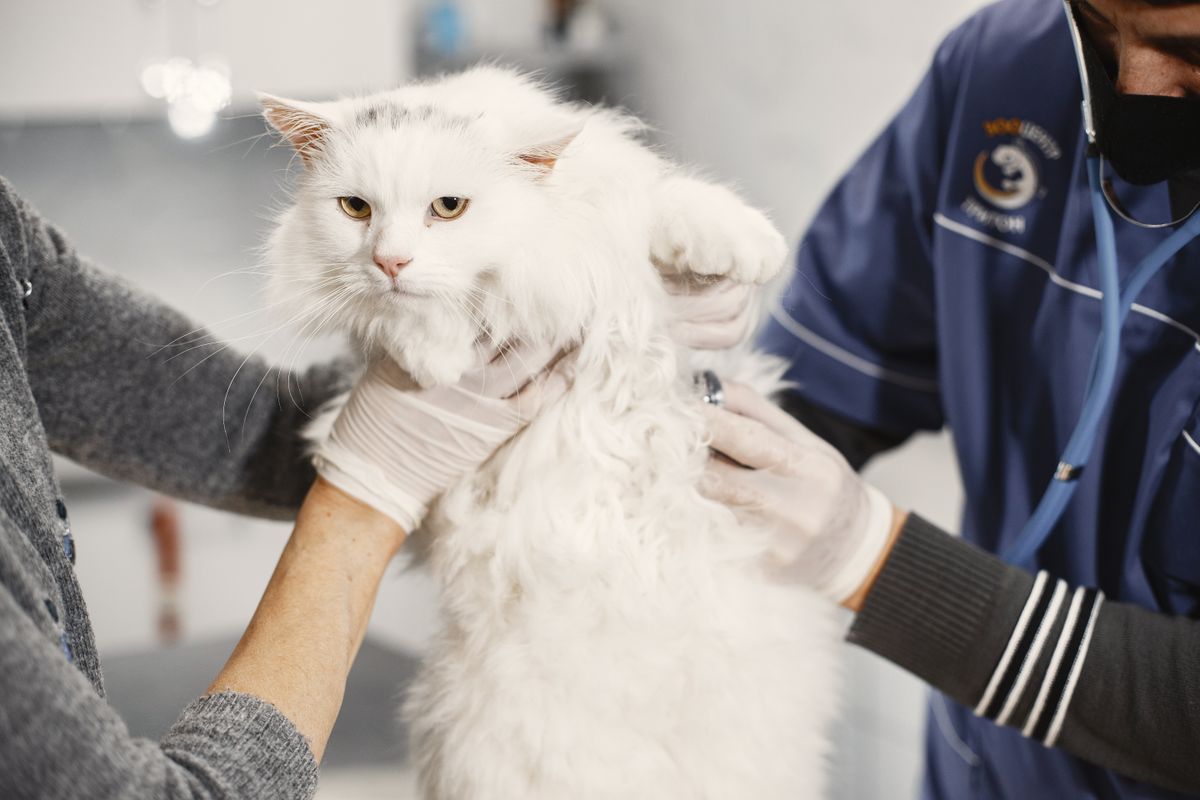
General pet care information. For symptoms, treatment or individual dietary needs, contact a veterinarian.

Keep reading

Shiba Inu resting beneath a table in a bright room
Pet Care NEW

Notice Pet Comfort Through an Ordinary Day

Most pet caregivers notice dramatic changes quickly. Smaller differences are easier to miss: a dog takes another route across the room, a cat waits before jumping to a chair, or an animal rests in a less familiar place.

November 6, 2026 · 7 min read
Veterinarian examining a white cat in a consultation room
Pet Care NEW

Write a Pet Care Handover Sheet Another Caregiver Can Use

People who share a home often develop shorthand about a pet: the blue scoop, the usual door, the tablet after dinner. Those phrases become unclear when a temporary caregiver takes over or one household member is unexpectedly unavailable.

November 6, 2026 · 7 min read

Privacy choices

Advertising partners may use cookies for personalised advertising. You can change Google ad personalisation in Google Ads Settings or manage cookies in your browser.

A certified consent message is not available on this page. Contact 19898710738@163.com for help with your choices. Read our Privacy Policy.