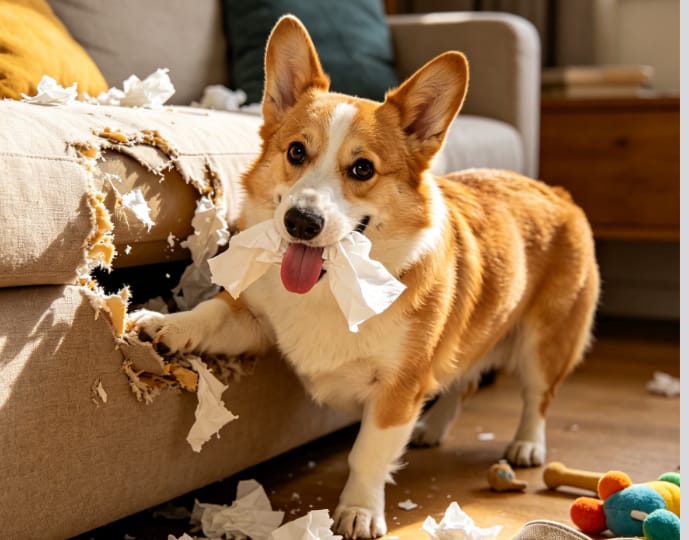
If you live with a dog, you’ve probably come home to a sofa full of bite marks, a missing slipper, or a cord with chew marks on it. Many owners get angry and anxious, but after scolding or punishment, the dog still keeps doing it. In fact, destructive chewing is not a dog’s way of being deliberately naughty. It is normal behavior caused by teething, pent-up energy, separation anxiety, and curiosity. With four simple, practical training techniques, you can correct the habit without scolding or hitting and protect your furniture from damage.
Technique 1: The Replacement Chew Method—Meeting the Instinct Is Key
Chewing is a dog’s instinct. Forcing it to stop will only make it more rebellious. The key is to give it its own “legal” chew items. Puppies from 3 to 6 months old are teething, and their gums are itchy and sore, so they must chew to get relief. Choose rubber dental chews, antler toys, and other items that are durable and safe for teeth. For adult dogs, treat-dispensing balls and squeaky toys can add more fun.
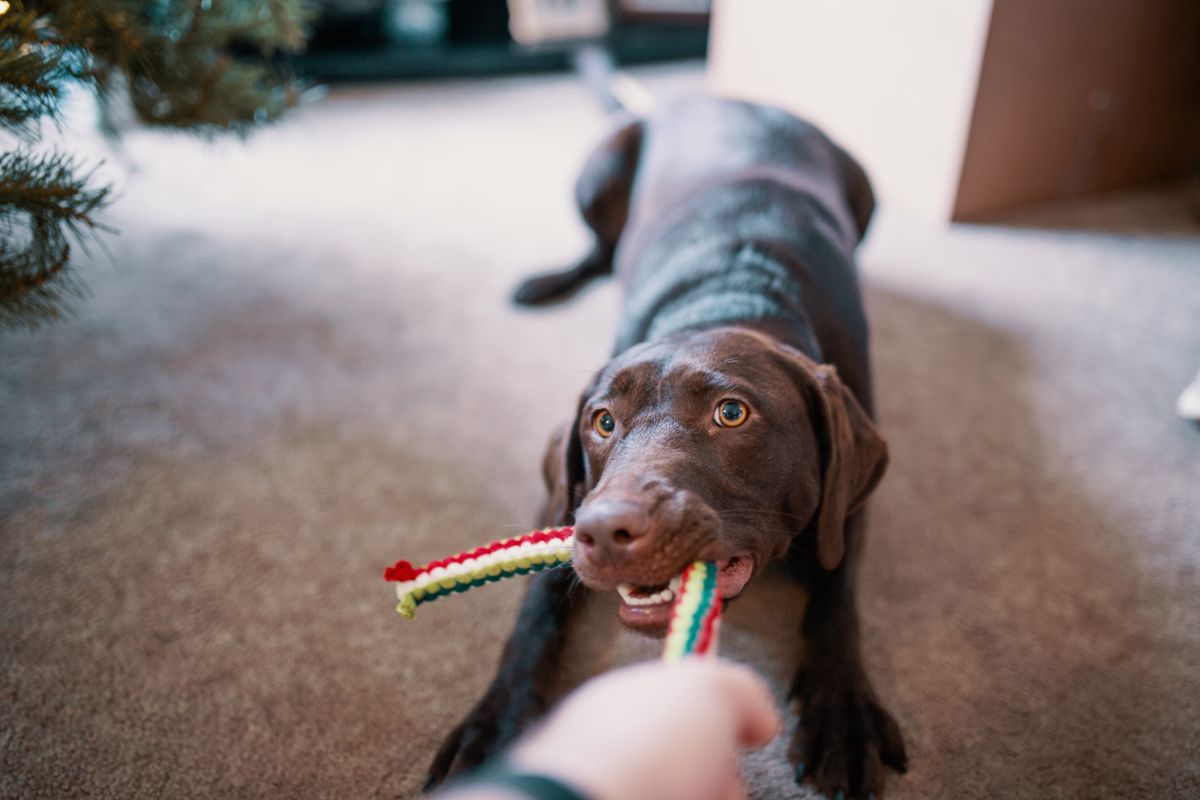
How to do it: Spend 15 minutes a day playing chew games with your dog. Whenever it actively chews a toy, immediately give it a treat and praise. This makes it clear that only toys are for chewing, and it will gradually lose interest in furniture and slippers.
Technique 2: Correct on the Spot With One Consistent Command
Dogs do not remember things after the fact. Scolding them later only makes them afraid; catching them in the act is what works.
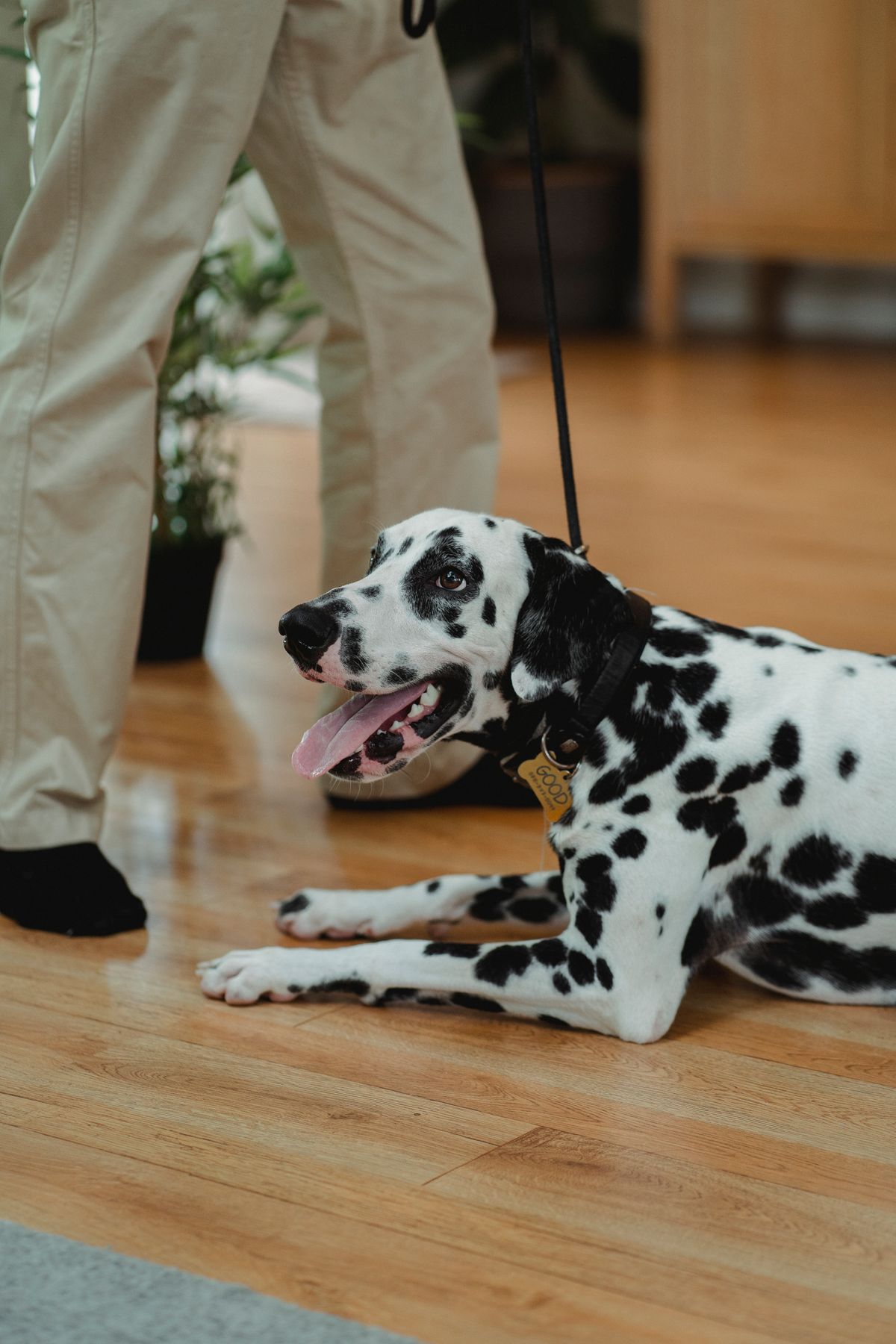
How to do it: When you see your dog chewing something it should not, immediately stop it with a firm, short command—“No.” The voice should be stern, but do not shout. At the same time, gently take away the forbidden item and immediately hand over its toy. When the dog chews the toy, gently pet it and reward it with a treat. Repeat this, and the dog will quickly understand: chewing the wrong thing gets stopped, chewing the right toy gets a reward.
Technique 3: Burn Off Energy to Stop Destruction at the Source
Most dogs chew because they are bored and have nowhere to put their energy. Enough exercise can solve most of the problem.
How to do it: Walk your dog on time every day. Small dogs need 30 minutes; medium and large dogs need an hour or more. Play fetch and running games to use up their energy. At home, prepare sniff mats and puzzle toys so the dog can use its brain to find treats and shift its attention. Before you go out, play with it for a while. A dog that has used up its energy will just sleep when you get home, and it will not destroy the house.
Technique 4: Use Isolation and Protection to Reduce Chances to Make Mistakes
During training, actively helping your dog avoid temptation can speed up the formation of good habits.
How to do it: Put slippers, cords, skincare products, and other items into cabinets. Cover cords with chew-proof tubing, and put valuables in high places. When no one is home, use a playpen to set up an activity area for the dog, with only chew toys, so it cannot come into contact with forbidden items. After the dog stops chewing, slowly expand its activity area to reinforce the training.
Living with a dog is a gentle kind of companionship. When your dog makes small mistakes, patient guidance is far better than scolding or hitting. Use these four techniques, train step by step, and stay consistent. Before long, you can say goodbye to the trouble of dog chewing and have a well-behaved, obedient fur baby.