When many beginners hear "pet bathing," only one question comes to mind: exactly how many days apart should the baths be? However, the truly reliable answer isn't a fixed schedule; instead, it depends on the animal's skin, coat, lifestyle, and how dirty they actually are.

Let’s start with the bottom line: don’t apply human bathing habits to pets. While daily bathing is normal for people, cats and dogs differ in terms of skin structure, oil secretion, coat type, and living environment. Bathing too infrequently can lead to dirt, odor, and matting; conversely, bathing too often can damage the skin barrier, causing itching, dryness, and flaking. Therefore, this article won’t give you a rigid rule to memorize. Instead, it will teach you how to assess the situation: when a bath is actually needed, when a simple paw-wipe and brushing will suffice, and when you should address skin issues first rather than rushing to bathe them.
How often should you bathe your dog? It depends on their lifestyle.
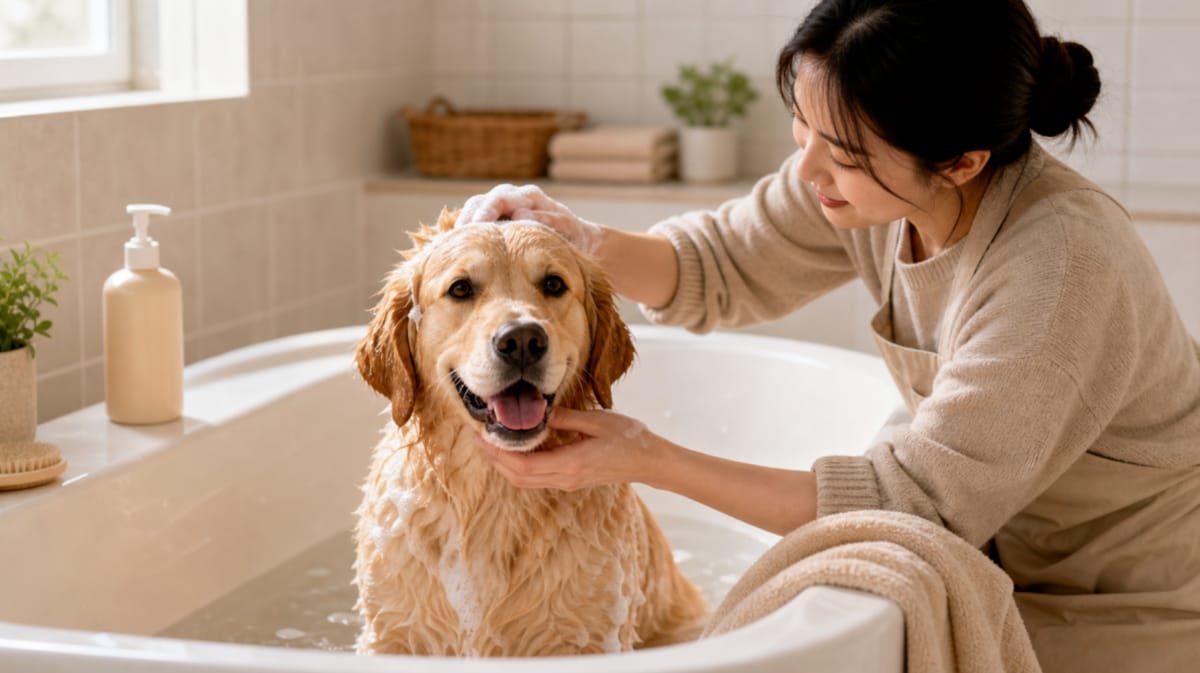
There is no one-size-fits-all answer for dogs. Dogs that frequently go outdoors, run in grassy areas, swim, or have a strong natural odor may require more regular bathing and grooming, whereas short-haired dogs that rarely go out and have healthy skin do not need to be washed as often. What really matters is the condition of the coat and skin: check for greasiness or matting, redness or itching, visible dirt or debris, and any sudden increase in odor. If only their paws are slightly dirty, wiping them down is more appropriate than giving the dog a full bath.
Should you bathe your cat? Most of the time, there’s no need to rush.
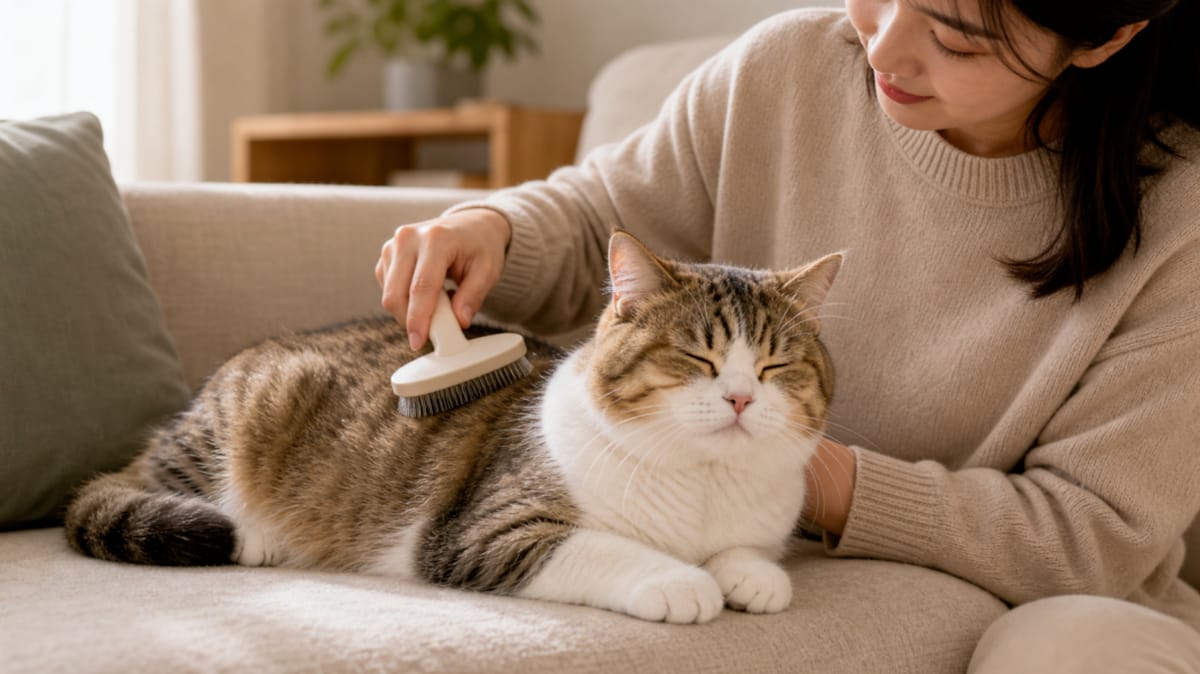
Most healthy cats do not require frequent bathing. Cats groom themselves, and forcing a bath can actually cause them significant stress. For long-haired, obese, or elderly cats—or those that fail to groom themselves properly—the priority is often not a full bath, but rather brushing, preventing matting, and spot cleaning. If a cat suddenly stops grooming, develops a greasy coat, or emits an unpleasant odor, do not simply focus on washing it. These signs could indicate oral pain, joint pain, obesity, skin issues, or a decline in mental well-being.
Before taking a bath, get these few things ready first.
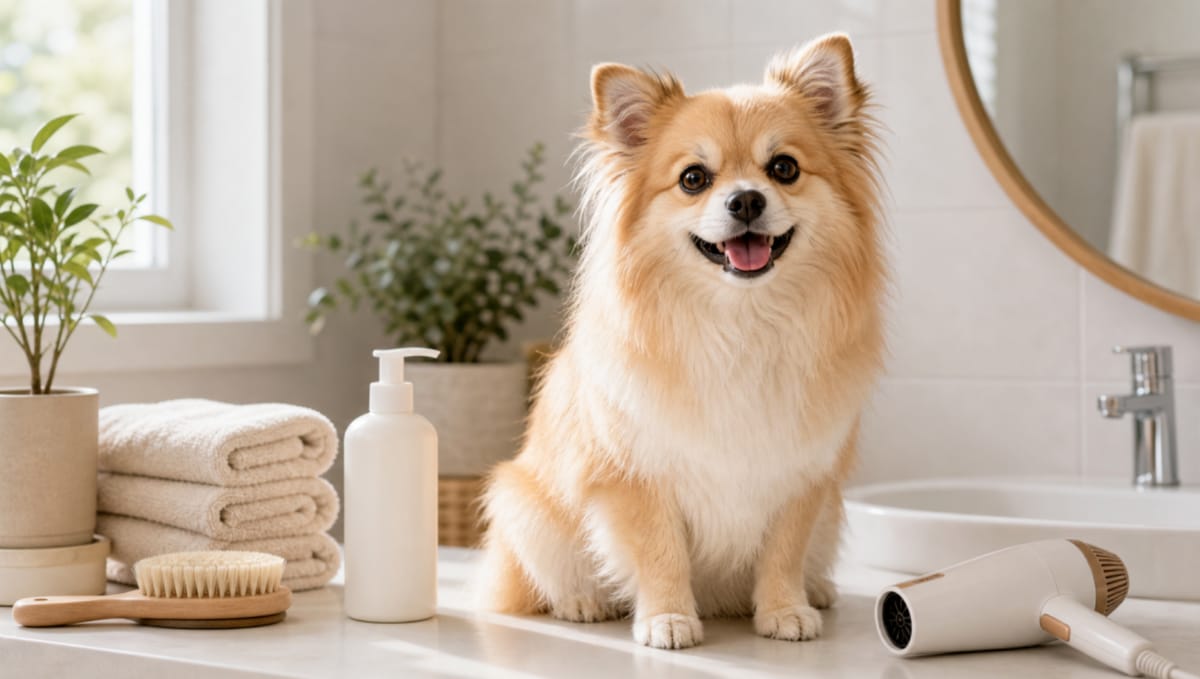
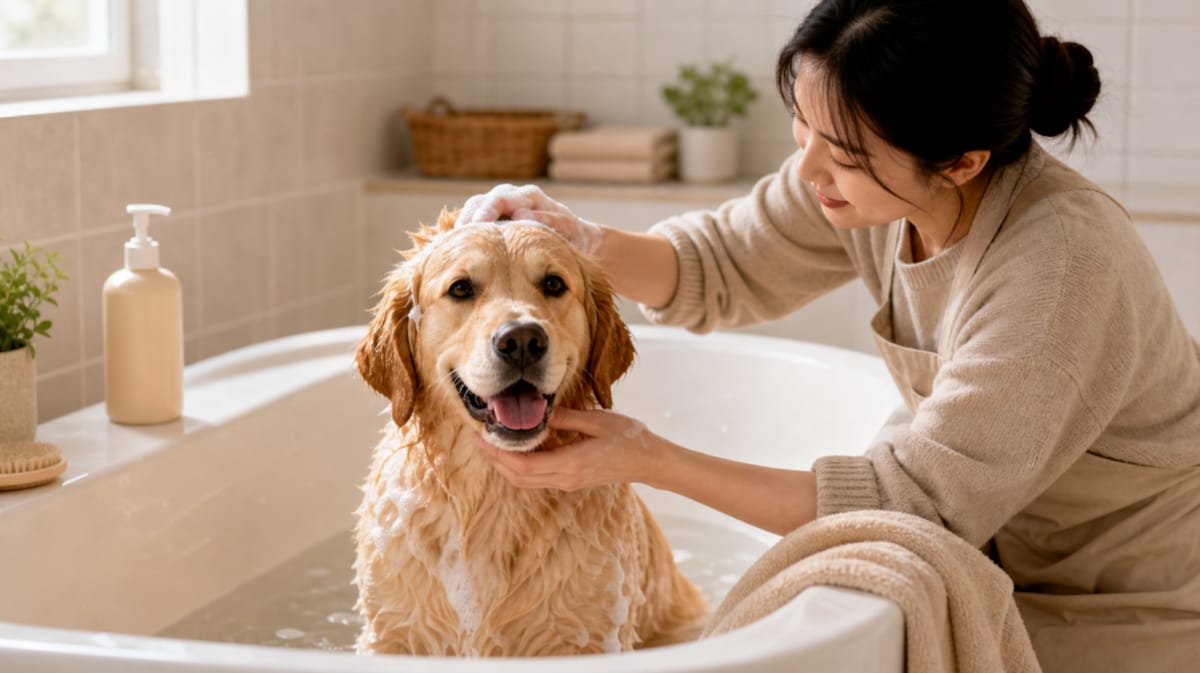
The last thing a beginner wants is to be scrambling for supplies at the last minute—like having a shivering pet in the bathroom while you hunt for a towel, shampoo, and a blow dryer. The right approach is to have everything ready beforehand: a non-slip mat, pet-specific shampoo, an absorbent towel, drying equipment, treats, and a comb.
Grooming goes beyond just bathing: don't neglect the ears, nails, and paw pads.
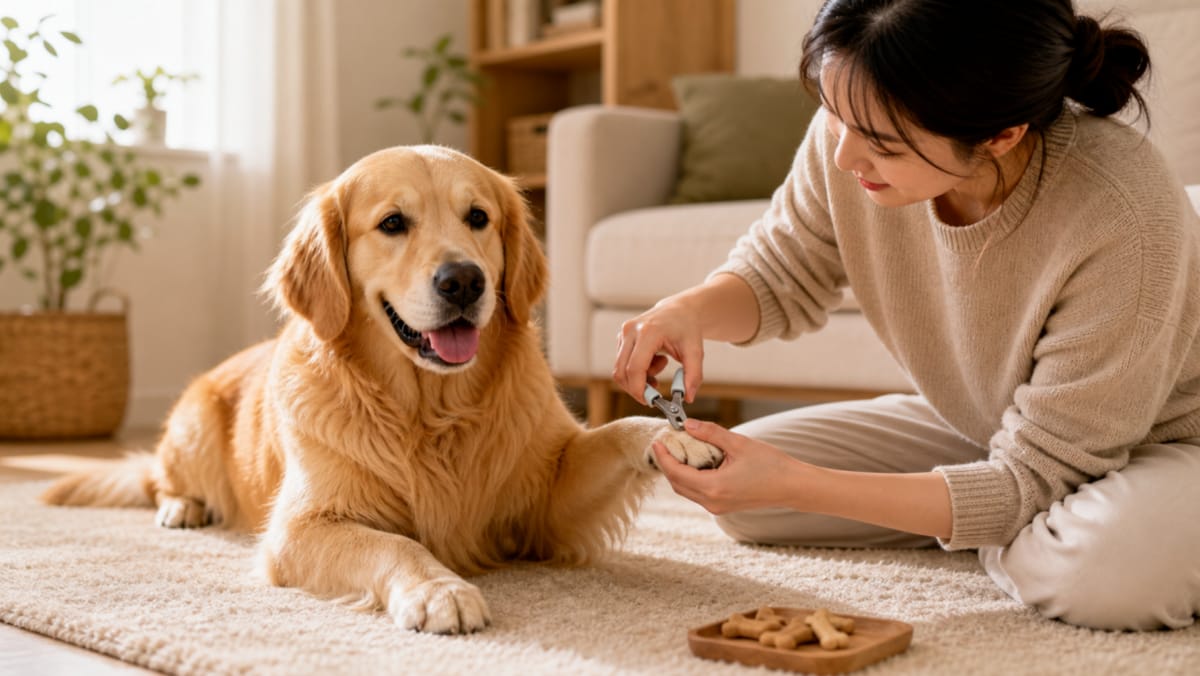
Many pets may not look dirty, yet they can have smelly ears, overgrown nails, and slippery fur on the soles of their feet. Novice owners who focus solely on bathing might overlook these aspects of routine care. Avoid probing deep into the ears with cotton swabs, and do not cut off too much of the nail at once; the fur on the soles can be trimmed if it compromises traction while walking. If your pet shows clear resistance, do not force the issue—it is safer to break the task up into several sessions.
Washing without blow-drying is worse than skipping a wash altogether.
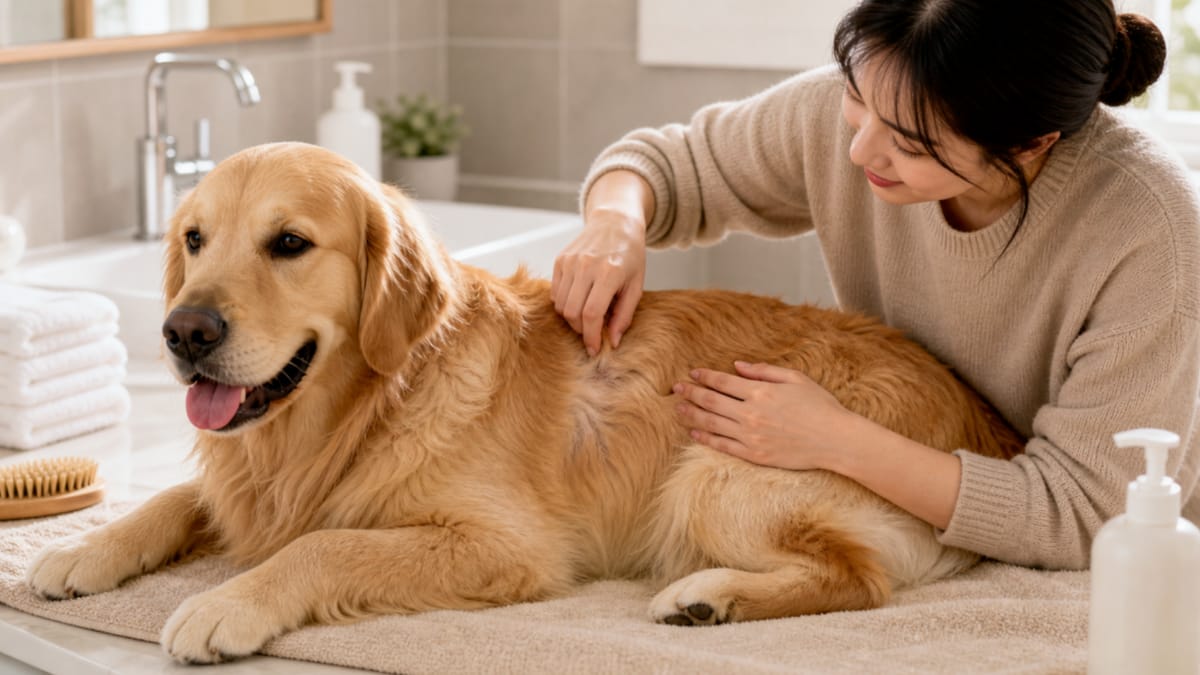
Many skin issues are not caused by the bath itself, but rather by failing to dry the pet thoroughly afterward. Dampness at the hair roots, in skin folds, or between the toes can lead to itching, unpleasant odors, and even skin problems. When blow-drying, avoid focusing the heat on a single spot for too long; instead, towel-dry the pet first, then use a moderate temperature and dry slowly. For pets that are afraid of the dryer, you can start by using a low airflow setting for short periods and offering treats as rewards.
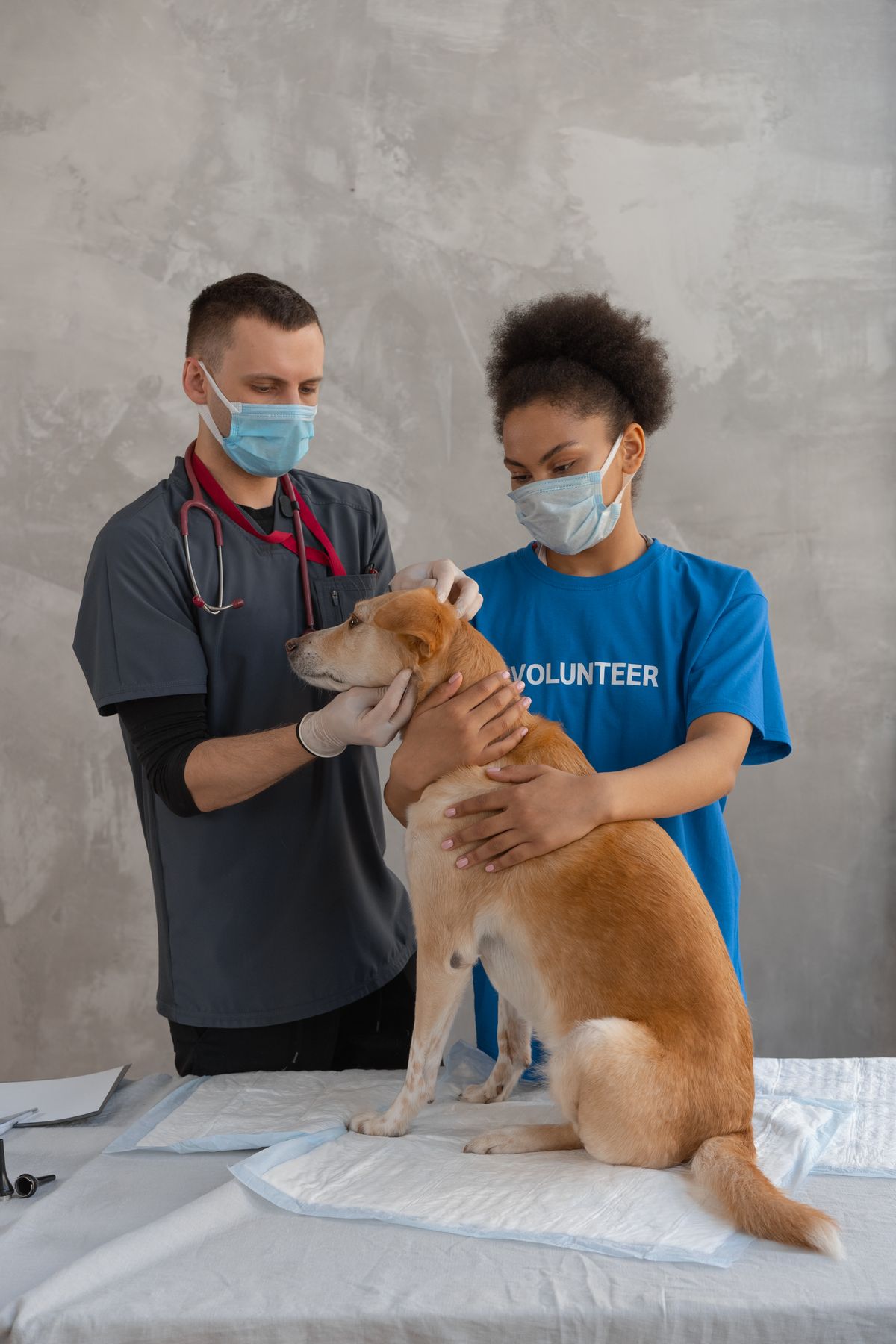
In the following situations, do not rush to bathe the animal yourself; instead, pause and consider consulting a veterinarian:
• The skin is already red, swollen, broken, oozing fluid, or scabbed.
• There is sudden, intense itching, patchy hair loss, or a noticeable foul odor.
• The animal has just been brought home and is experiencing stress, with unstable eating, drinking, or bowel habits.
• Vaccination schedules are unclear, and the animal's health status is uncertain.
• The animal exhibits rapid breathing, severe trembling, or extreme struggling during the bath.