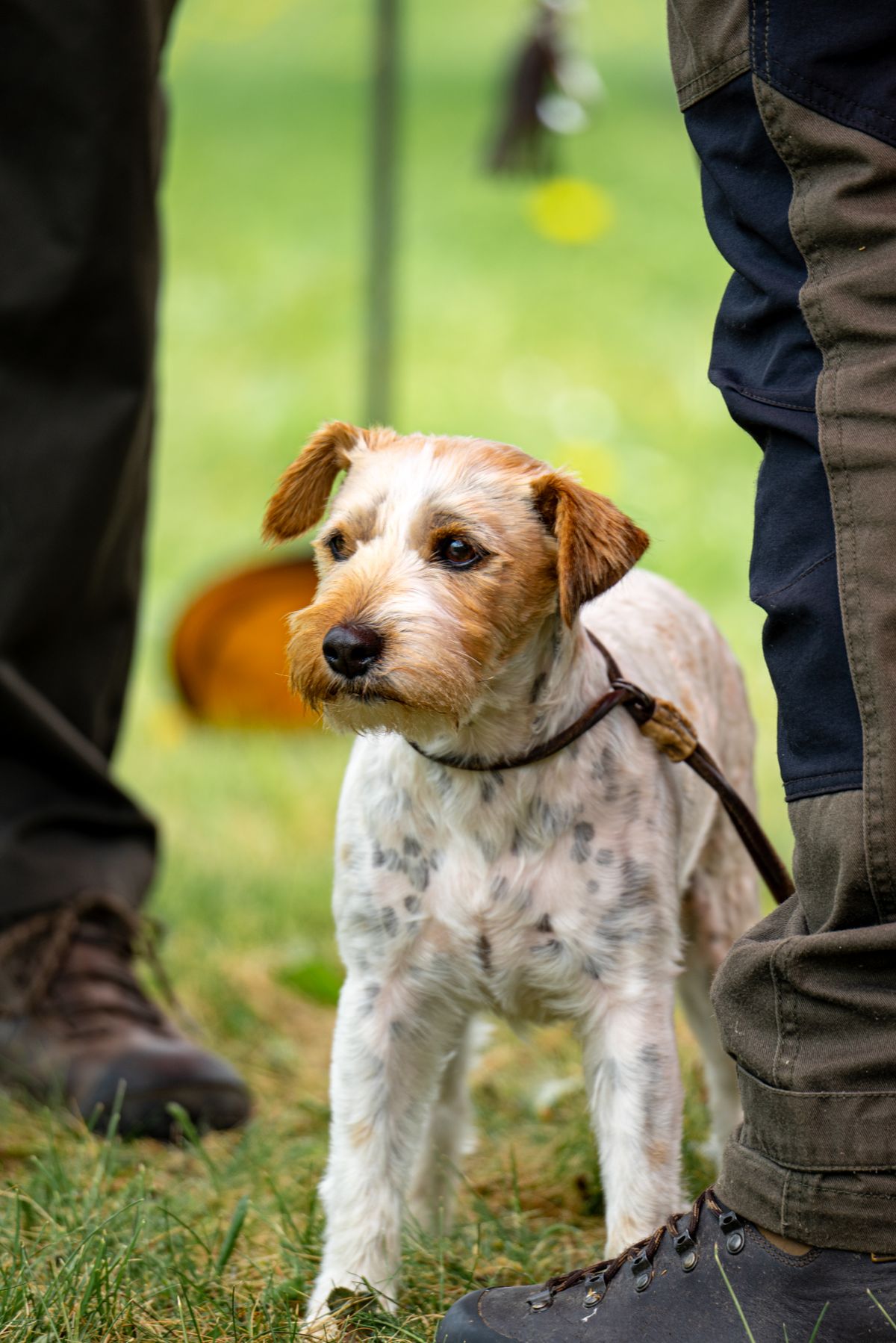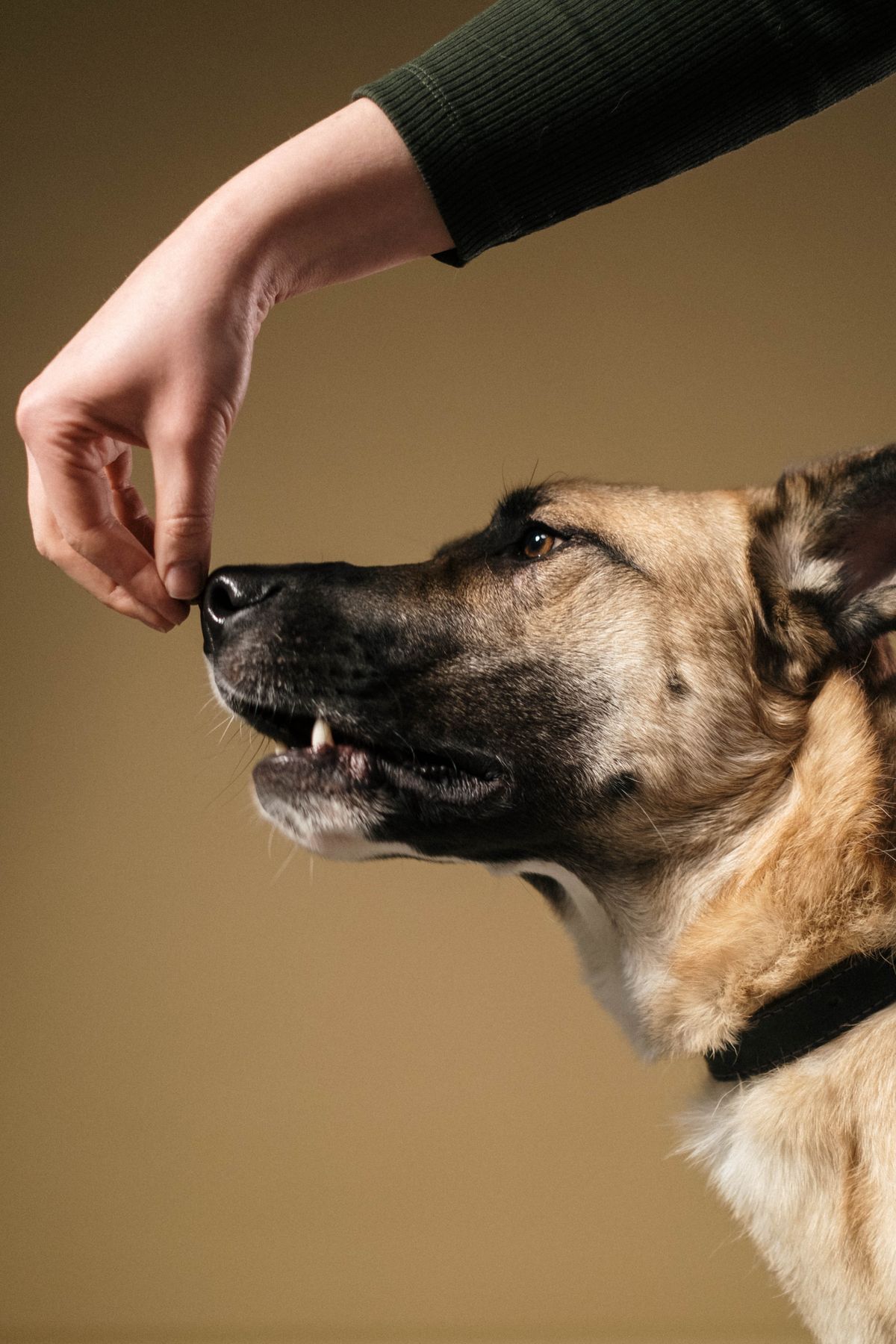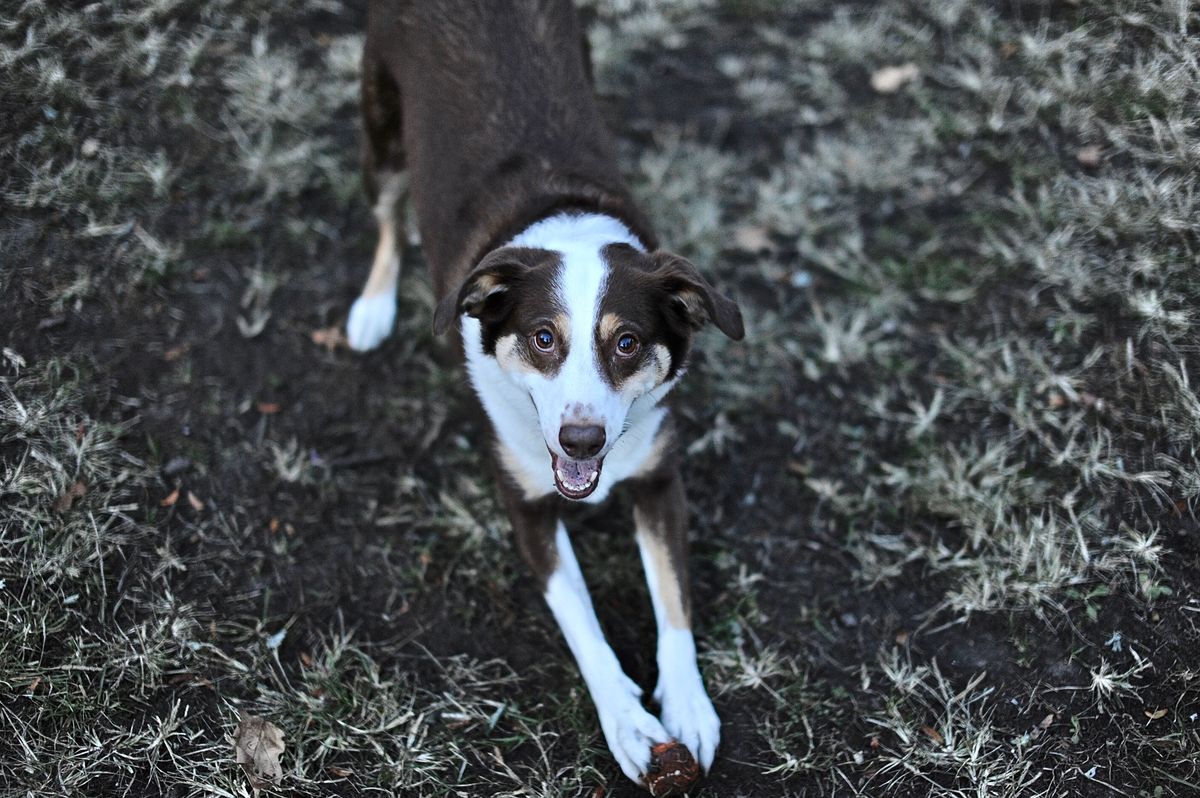

Dogs are naturally perceptive creatures. Once you bring a new dog home, training should begin right away. Mastering these basic skills not only helps your dog get along better with people, but also makes them more enjoyable to live with.
For first-time dog owners, focusing on these nine skills will pay off far more than just teaching a cute paw-shake. Sit and shake hands are charming, but the skills that truly make a difference in real-life situations are often the ones you least expect.
When a dog first arrives, it is wise to prioritize training in three main groups.
Group One – Safety Skills
1. Name recognition
Your dog should look at you the moment you say their name. This is the foundation for every other command that follows.
2. Recall (“Come”)
If a door is left open or the leash slips from your hand, a solid recall can be a lifesaver. Without it, your dog could dash around a corner and be gone before you know it.
3. Wait
Teaching your dog to wait at doors, before crossing streets, and before mealtimes helps reduce impulsive lunging. It instills a sense of calm and control.
4. Leave it
Chicken bones, pills, or trash on the ground are not meant to be swallowed just because they are within reach. This command teaches your dog to ignore things you haven’t approved.
5. Drop it
If your dog has already picked something up in their mouth, trading it for a treat or a toy is much safer than trying to pry it open.
Group Two – Daily Life Skills
6. Potty training
Take your dog to the same designated spot on a regular schedule. Reward them immediately when they go in the right place. Consistency is the key to building good hygiene habits.
7. Sit
This simple posture helps your dog shift from an excited, rushing state to a more settled one.
8. Down
Once your dog learns to lie down, it becomes much easier to teach waiting, settling, and staying calm in various situations.
Group Three – Emotional Regulation Skills
9. Settle quietly
Whether in a crate, on a mat, or in their own designated spot, your dog needs to learn that doing nothing is perfectly fine. This skill is essential for peaceful cohabitation.
Throughout the training process, commands like name recognition, recall, sit, down, wait, and leave it should be treated as core foundational skills.
When you actually start training, keep each session short and repeat often. Do not expect perfection in one go, or you risk turning your dog off from learning altogether.
What matters most is not the command itself, but how you teach it.
When your dog gets it right – reward immediately.
When they get it wrong – lower the difficulty and try again.
Positive reinforcement should be your primary approach. Avoid using fear, physical punishment, leash jerks, or harsh corrections.
Dogs are not being stubborn on purpose. Most of the time, we are simply asking for too much at once. Patience and clarity will take you much further than force.