An empty bowl does not tell the whole story
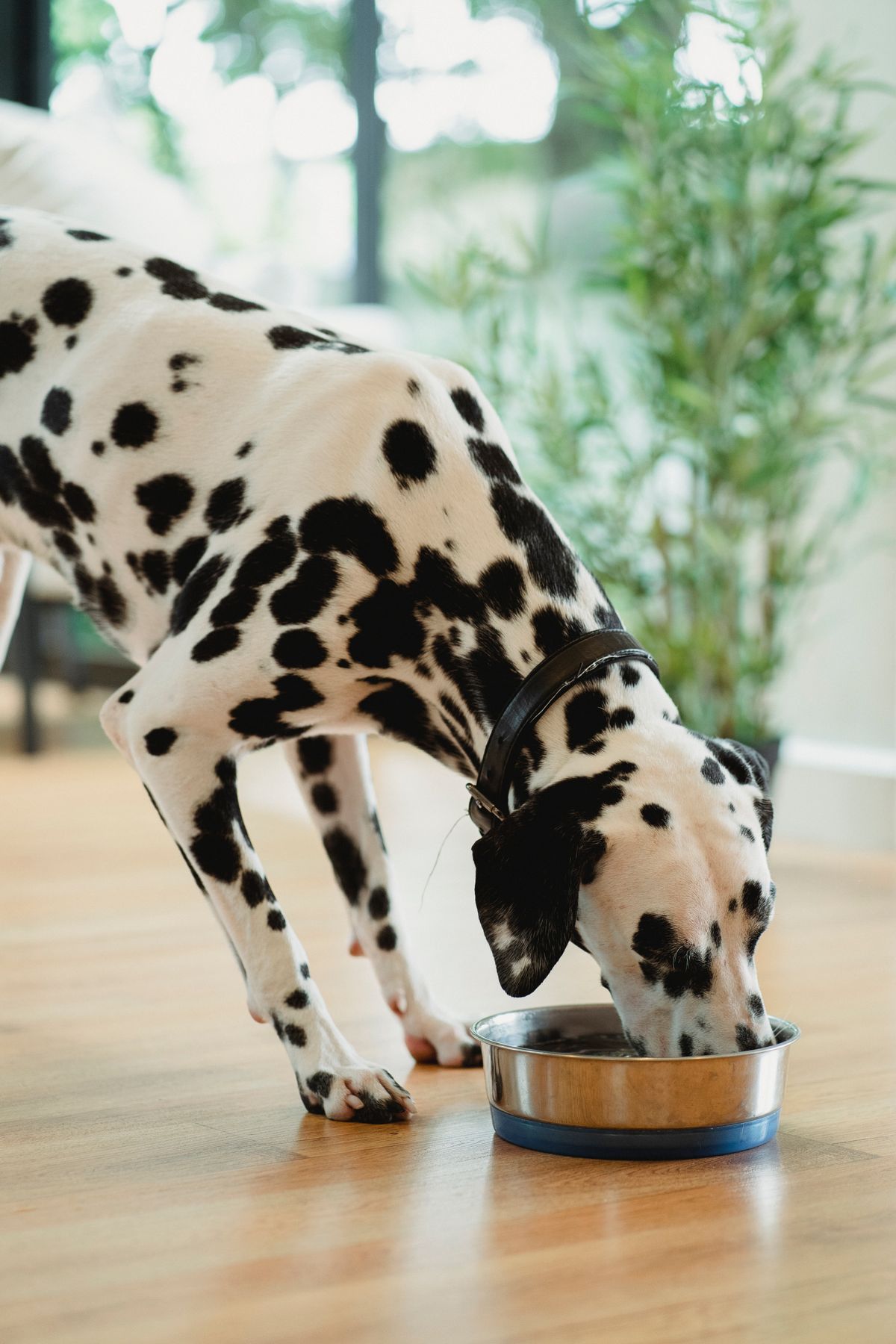
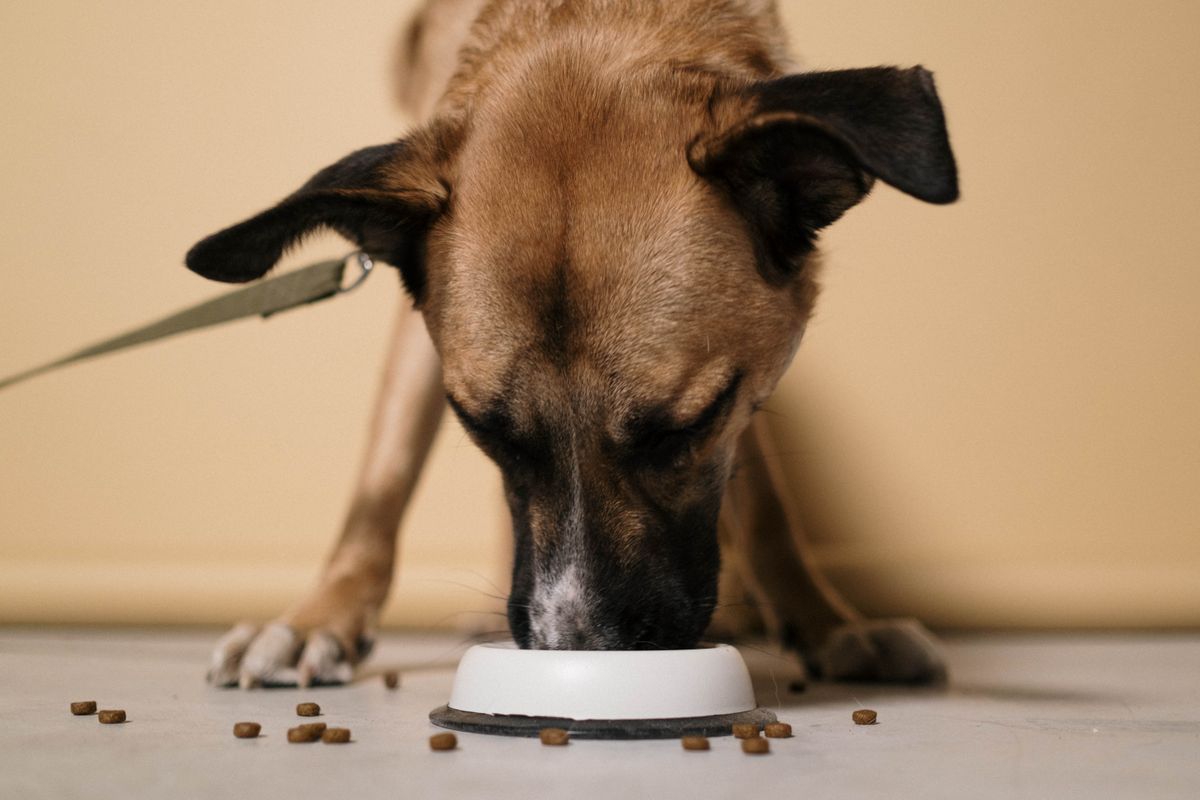
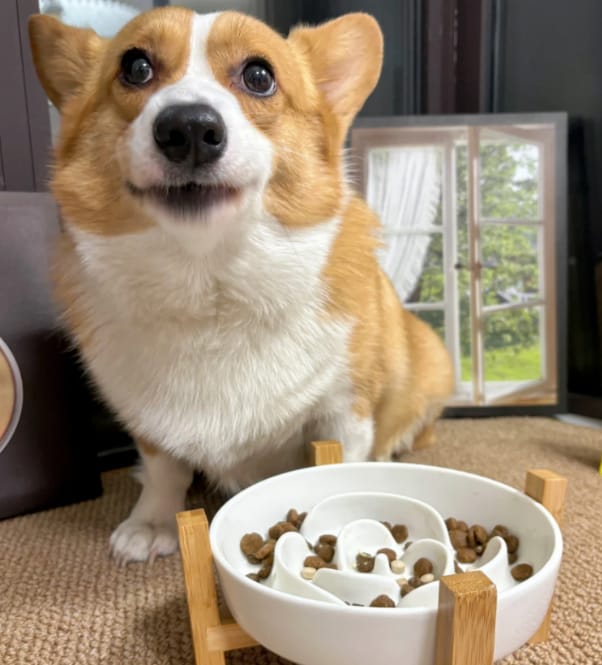
In a home with several pets, feeding can look efficient while being difficult to understand. Two bowls go down, both become empty, and the household moves on. Yet one animal may have eaten most of both meals while the other waited. Another may eat quickly because a companion approaches whenever they pause. Separate meal stations make it easier to know who is eating and to give each pet some comfortable space.
This is useful even when the pets appear friendly in other situations. Sharing a sofa does not mean they want to share food. Begin by watching an ordinary meal without interfering. Notice which animal reaches each bowl, whether anyone leaves when another approaches, and whether a pet eats only after the others have gone. Keep the observations factual. If intake has changed suddenly or the pet seems unwell, contact the veterinary team rather than treating the setup as the only possible explanation.
Choose locations the animals can actually use
A separate station needs more than a few inches between bowls. Consider different corners, visual separation, or separate rooms when appropriate. Each animal should be able to reach the food without crossing another pet's eating space. Avoid narrow hallways, busy doorways, and places where appliances begin unexpectedly. A station should also be easy for you to clean and supervise.
For cats, height may offer another option if the cat can access it comfortably and the surface is stable, secure, and appropriate. Do not make a difficult jump the only way to reach a meal. Dogs should not be encouraged to climb unstable furniture to follow food. Consider mobility, age, and individual comfort when choosing every location. If an animal already has a favored quiet feeding place, it may be easier to preserve that place and adjust the others around it.
Introduce separation without a surprise
If pets are used to eating together, change the arrangement calmly. Prepare the stations before bringing food out, guide each pet to the intended place, and avoid a scramble across the room. Secure doors or barriers where needed so one animal cannot immediately visit the next bowl. Make sure each space has appropriate ventilation and remains comfortable. Separation should not mean leaving a pet distressed in an unfamiliar room.
Start with a practical routine that a caregiver can repeat. A consistent sequence of preparing food and opening access may help, but avoid making animals wait through a long, excited display. Some homes need individual help with feeding management, particularly where there is guarding, conflict, or distress around confinement. Do not reach between animals competing over a bowl. Seek a qualified reward-based professional and veterinary advice for a safe plan that fits the specific household.
Protect individual diets
Different pets may need different foods or portions. A puppy, an adult cat, and a dog on a veterinary diet cannot be treated as interchangeable diners. Keep each product clearly labeled and use separate serving containers if that helps prevent mistakes. Store any veterinary instructions with the feeding routine so other caregivers can follow them. Never change a prescribed plan because another pet's food seems more convenient.
Species-specific diets matter too. Prevent dogs from routinely finishing cat food and cats from relying on dog food. If one pet repeatedly steals food, solve access rather than assuming the animal simply needs more. Devices such as microchip feeders may help in some homes, but they require suitable placement, gradual introduction, reliable operation, and regular cleaning. A device is only useful if the intended pet can use it comfortably and other animals cannot interfere with the meal.
Observe without crowding
Once meals are served, watch from a distance that does not make the pets uneasy. Record whether each starts eating, pauses, leaves, and returns. Do not repeatedly touch the bowl, put your hands in the food, or remove it to test whether the animal will allow this. Those exercises can create concern around meals and are not necessary for routine care. Keep children away from animals while they eat.
If you need to remove a bowl or manage a difficult situation, use a safe method appropriate to the individual animal and seek professional guidance where needed. Do not punish growling or other warning behavior. Such behavior is information that the situation needs adjustment. Separation can reduce opportunities for competition, but it does not automatically resolve an existing guarding problem. The goal is predictable access to food without people or other animals repeatedly approaching and taking things away.
Make cleanup part of the system
Separate stations are easier to maintain when cleanup has a clear sequence. Remove leftover food safely, wash bowls with an appropriate method, clean the surrounding surface, and allow items to dry. Follow the food manufacturer's instructions for storage and for how long food can remain out under your conditions. Wet food, heat, and humidity require particular attention; do not rely on a generic household rule for every product.
Check mats, corners, and the underside of bowls where residue can collect. Keep pet cleaning equipment appropriately separated from other household tasks. Make fresh water available in suitable locations throughout the day rather than only during meals. If the feeding station is behind a closed door for a short supervised meal, remember to restore normal access afterward. A simple checklist is useful when several people are involved, particularly during busy mornings or when a temporary caregiver takes over.
Give caregivers a clear handover
Write down who eats where, the exact food, the portion method, and any relevant veterinary instructions. Include how to prevent one animal reaching another's station and what to do if a pet does not eat normally. Avoid vague notes such as “keep an eye on the cat.” A caregiver needs to know which behavior is usual for that cat and whom to contact with a concern.
Keep a shared meal record if double feeding is a possibility. A small mark beside breakfast and dinner may be enough. Explain that a missing mark should lead to checking with the other caregiver rather than automatically serving another meal. If the household uses different schedules, agree on the serving times and cleanup responsibilities in advance. The purpose is to keep the routine understandable for people as well as comfortable for animals. A system that only one person can operate is fragile.
Walk through the cleanup route
Before serving the first separated meal, rehearse the order in which you will collect bowls and reopen doors. A pet who finishes early should not gain access to another animal's food while you wash a dish. Keep the sequence simple enough to repeat when someone calls or the kitchen becomes busy.
You may choose to prepare all portions first, settle each animal in its station, observe the meals, and then clear each space before restoring access. Adapt that outline to the pets and seek help where separation itself causes distress. A good arrangement accounts for the minute after the meal as carefully as the minute when the bowls are placed down.
Review the arrangement as needs change
After several meals, ask whether the separation has made intake easier to observe and whether the pets use their stations comfortably. Look for unintended problems such as a cat waiting beside a closed door or a dog guarding the approach to another room. Change one part of the arrangement and observe again. Maintain appropriate professional support where conflict or health concerns are involved.
Revisit the plan when a new pet arrives, an animal's mobility changes, or a veterinary diet is introduced. There is no universal layout that works in every home. Some animals need substantial separation; others simply benefit from a visual barrier and a quieter corner. Success does not require every pet to eat at the same time. It means each has reliable access to suitable food, the household can tell what was eaten, and meals no longer depend on the quickest animal reaching the fullest bowl.