Record ordinary meals before changing them
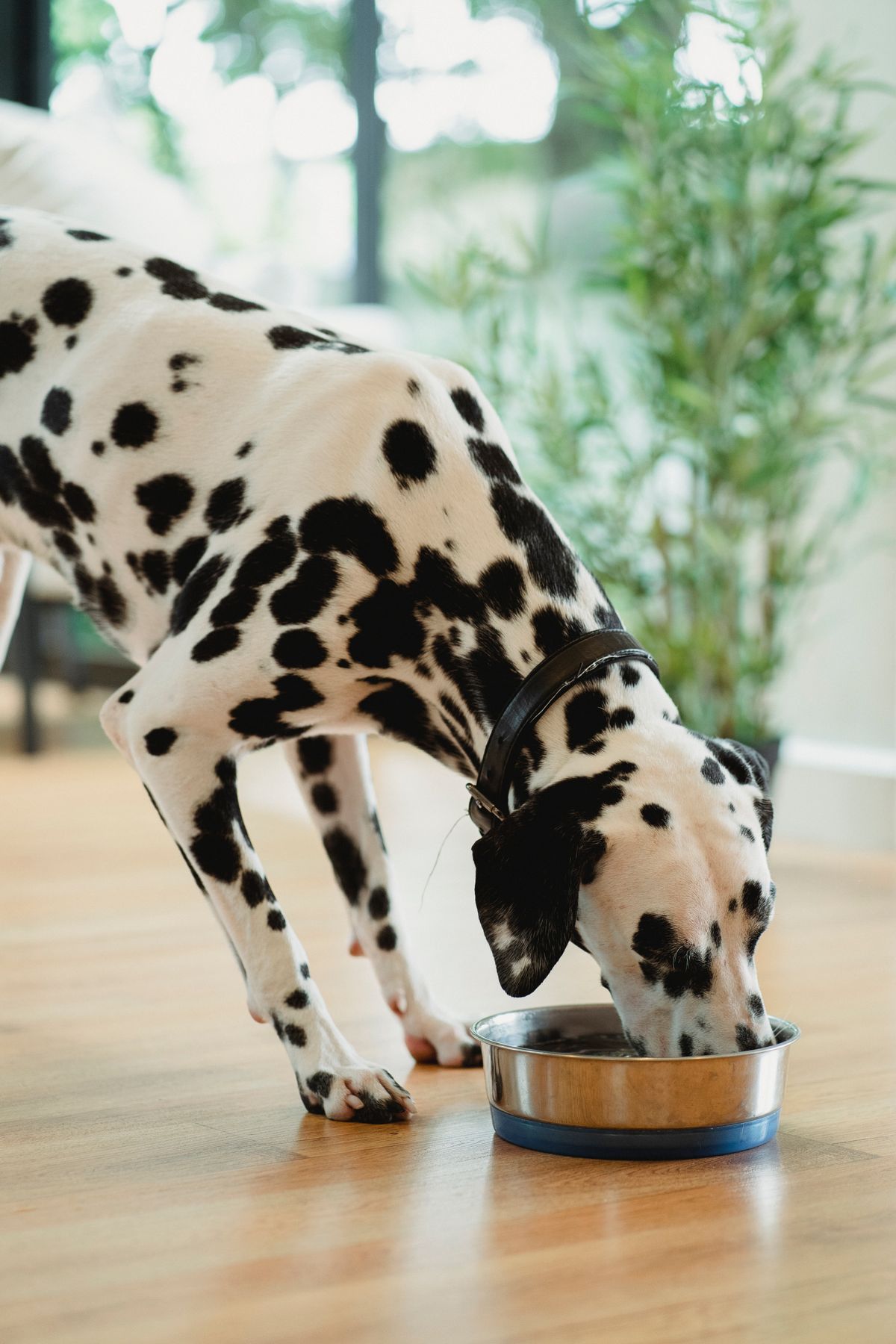
When a pet's eating routine feels confusing, the temptation is to change several things at once: a new food, a different bowl, extra toppings, and another meal time. That can make the next conversation with your veterinary team harder. A short feeding log offers a quieter starting point. For one ordinary week, write down what is actually offered and eaten, including the small extras that are easy to forget.
The log is not a diet plan and should not delay care. A pet who suddenly eats much less, refuses food, vomits repeatedly, seems unwell, or has a marked change in thirst needs veterinary advice promptly. The appropriate response depends on the animal's species, age, health, and other circumstances. For routine record keeping, keep the existing veterinary plan in place and make the notes a tool for describing it accurately.
Build a page you will really use
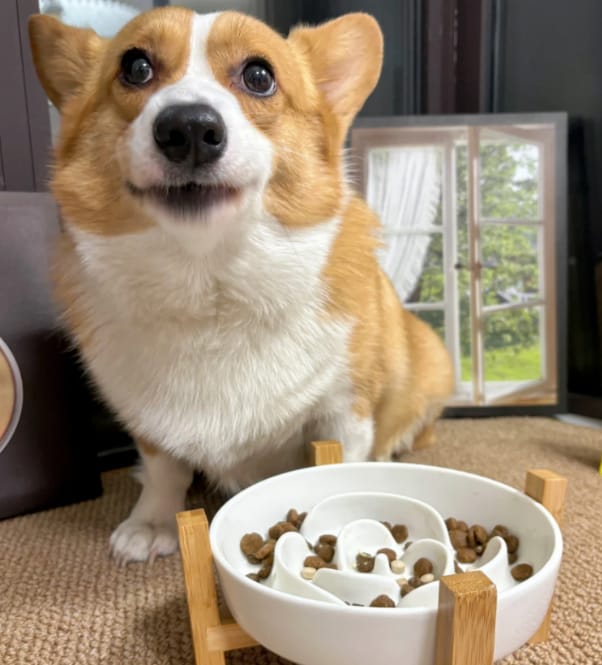
Use a notebook, a phone note, or a simple printed table. Include the date, food name, amount offered, amount left, meal time, and any relevant observation. Add a column for treats, chews, supplements, and food used in training. Record units clearly: grams, a specific measuring cup, or a number of pouches. “A bowl” is difficult for someone else to interpret because bowls vary and the level can change from one serving to the next.
Keep the entry short. You might write that the dog ate the usual morning portion in the kitchen after a normal walk, or that the cat left half the evening wet food after visitors arrived. Avoid trying to explain the cause while writing the observation. A page that takes a minute after meals is more likely to be completed than a complicated app with several screens of required information.
Keep the food packaging details
Photograph the front of the food packaging and the relevant feeding and nutritional information. Record the exact product name, life stage statement where provided, and the manufacturer's contact details. Products with similar names can have different energy contents and instructions. If you open a new bag during the week, note the date and retain its batch details in a suitable place in case they are needed later.
Check whether the food is intended as a complete diet for your pet's species and life stage or as a complementary product. Packaging terminology varies between regions, so ask your veterinary team if it is unclear. Do not judge a food solely by a fashionable ingredient claim. The log is useful because it gives the professional an accurate picture of what the pet is receiving. It cannot establish that a diet is nutritionally appropriate simply by documenting that the pet likes it.
Count the food outside the bowl
Training rewards, dental products, table scraps, and food shared by another family member can be a substantial part of a pet's day. Record them without turning the log into an argument about who gave what. Agree that everyone will note extras honestly for the week. If several people care for the pet, put the page where each can reach it or use one shared note.
Write the product and approximate quantity rather than “some treats.” If the same food is used for training, record how much is set aside from the daily ration and how much remains. Avoid adding supplements or new products simply to make the record look more complete. Veterinary diets and pets with specific health needs require particular care about extras, so follow the veterinary team's instructions. Human foods can also be unsafe for pets; the record is not permission to experiment.
Notice the setting around the meal
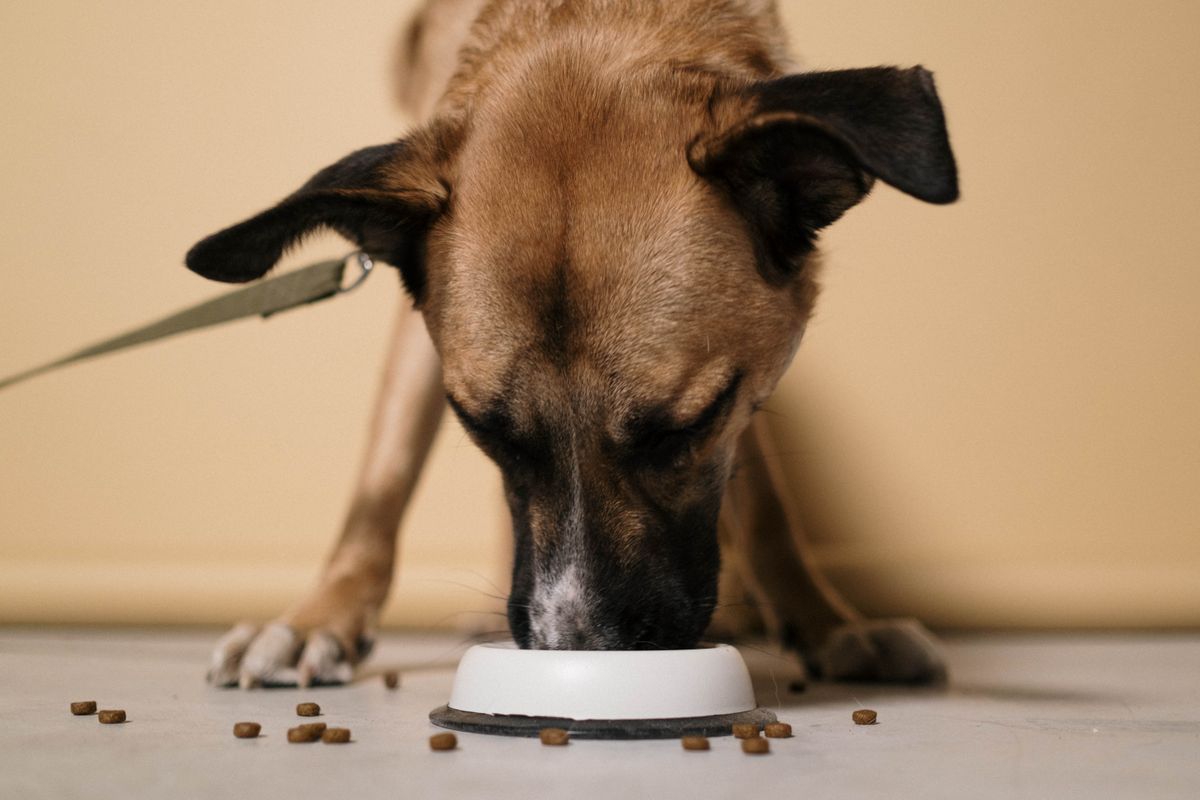
Food intake happens in an environment. Note unusual noise, another pet approaching the bowl, a change in caregiver, travel, or a disrupted routine. Describe whether the pet had easy access to the food and whether they were interrupted. In a multi-pet home, make sure you know whose food was eaten. An empty bowl does not prove the intended pet finished the portion if another animal could reach it.
Keep observations about behavior separate from assumptions about taste. “Walked away when the other cat entered” gives more information than “bored with dinner.” Similarly, “dropped pieces repeatedly” is different from “fussy.” Changes involving chewing, swallowing, posture, or discomfort should be discussed with a veterinary professional rather than managed only by changing brands. The log helps you describe the pattern while keeping attention on the pet's overall condition.
Use consistent measuring methods
Choose one practical method and use it consistently. A kitchen scale can make dry-food records clearer when it measures suitable small amounts reliably. Follow the device instructions and use the tare function for the empty container. For canned or pouched food, record the size and fraction used as accurately as practical. Put leftovers away safely according to the food manufacturer's storage guidance.
Do not turn measurement into a reason to reduce or increase food without advice. Feeding amounts depend on energy density, the pet's body condition, activity, life stage, and health. Label guidance is a starting point, and a veterinary team can help interpret it. If you already have an individual feeding plan, use that plan while keeping the log. The aim of consistent measurement is to reduce uncertainty about the current routine, not to create a universal portion formula for every dog or cat.
Prepare a focused conversation
At the end of the week, look for missing information before looking for a verdict. Did everyone record extras? Were meal amounts measured in the same way? Was one day unusually busy? Write two or three questions for your veterinary team, such as whether the current food suits the pet's life stage, how to account for training rewards, or whether a change in eating behavior needs assessment.
Bring the packaging photographs and a concise description of the pet's usual activity. Include existing veterinary instructions and any recent changes. Avoid presenting the log as proof that a particular ingredient caused a problem. Several things can change together, and a short record cannot establish a diagnosis. A professional can use the details alongside an examination, history, and any other appropriate information. That makes the log a useful conversation starter rather than a self-contained answer.
Use a single sample entry
A clear entry might read: Tuesday evening, usual product, measured portion served in the quiet room, some food left, another pet kept outside, training rewards recorded separately. You can add the actual amounts and times without adding an explanation about why the pet paused. This format keeps the details comparable across caregivers.
At the bottom of the page, leave a space for uncertainties. Perhaps someone forgot to measure leftovers or a visitor gave an unknown treat. Record that gap honestly. An imperfect but accurate log is more useful than a tidy record filled with estimates presented as facts. The veterinary team can account for missing information when it is visible.
Keep only the habits that help
You do not have to record every meal forever. Once the routine is understood, keep the most useful parts: a clear portion method, one place for caregivers to note extras, and current packaging information. Repeat a short log when the veterinary team requests it or when a routine change needs documenting. Store records securely and avoid including unnecessary personal information if you share them electronically.
Review the setup occasionally. Measuring cups get replaced, food recipes change, and household responsibilities shift. A clear note can prevent two people from feeding the same meal or each assuming the other has done it. The best outcome is a simpler daily routine and a more accurate discussion about the pet's needs. A feeding log should reduce guesswork while preserving appropriate professional care, not become another source of anxiety at every visit to the food cupboard.