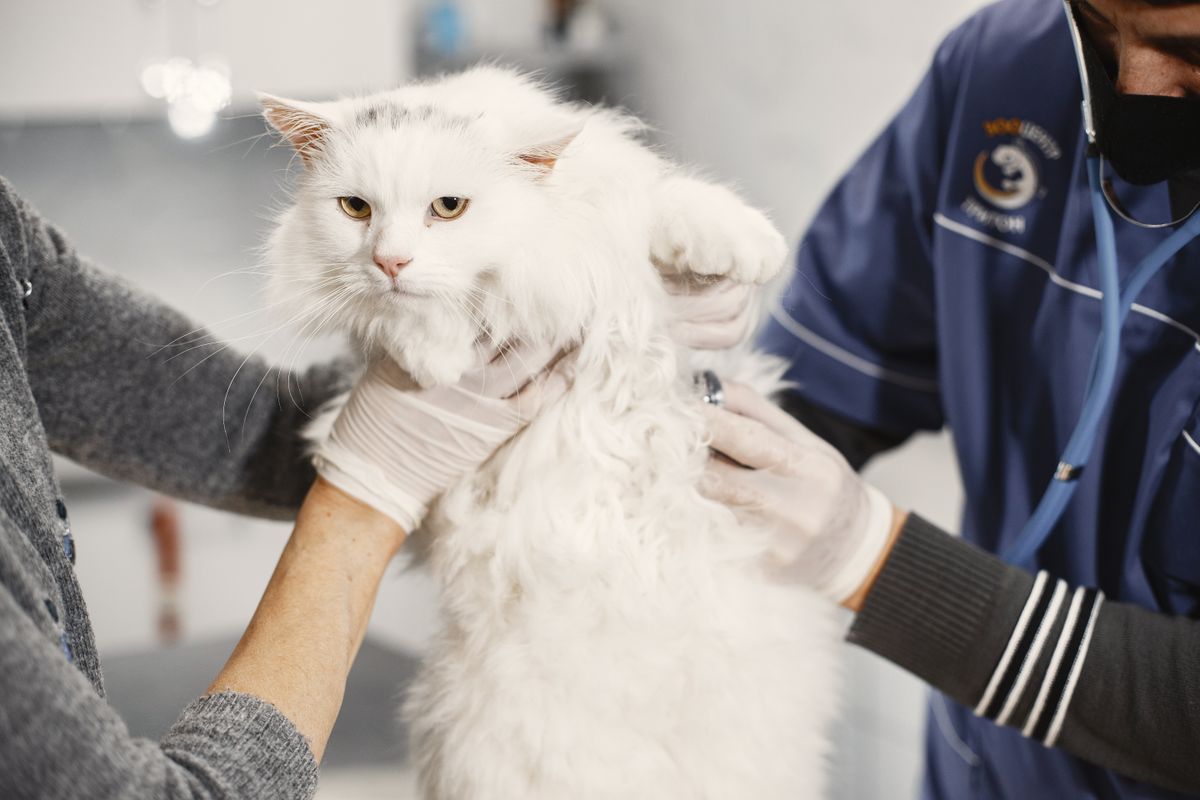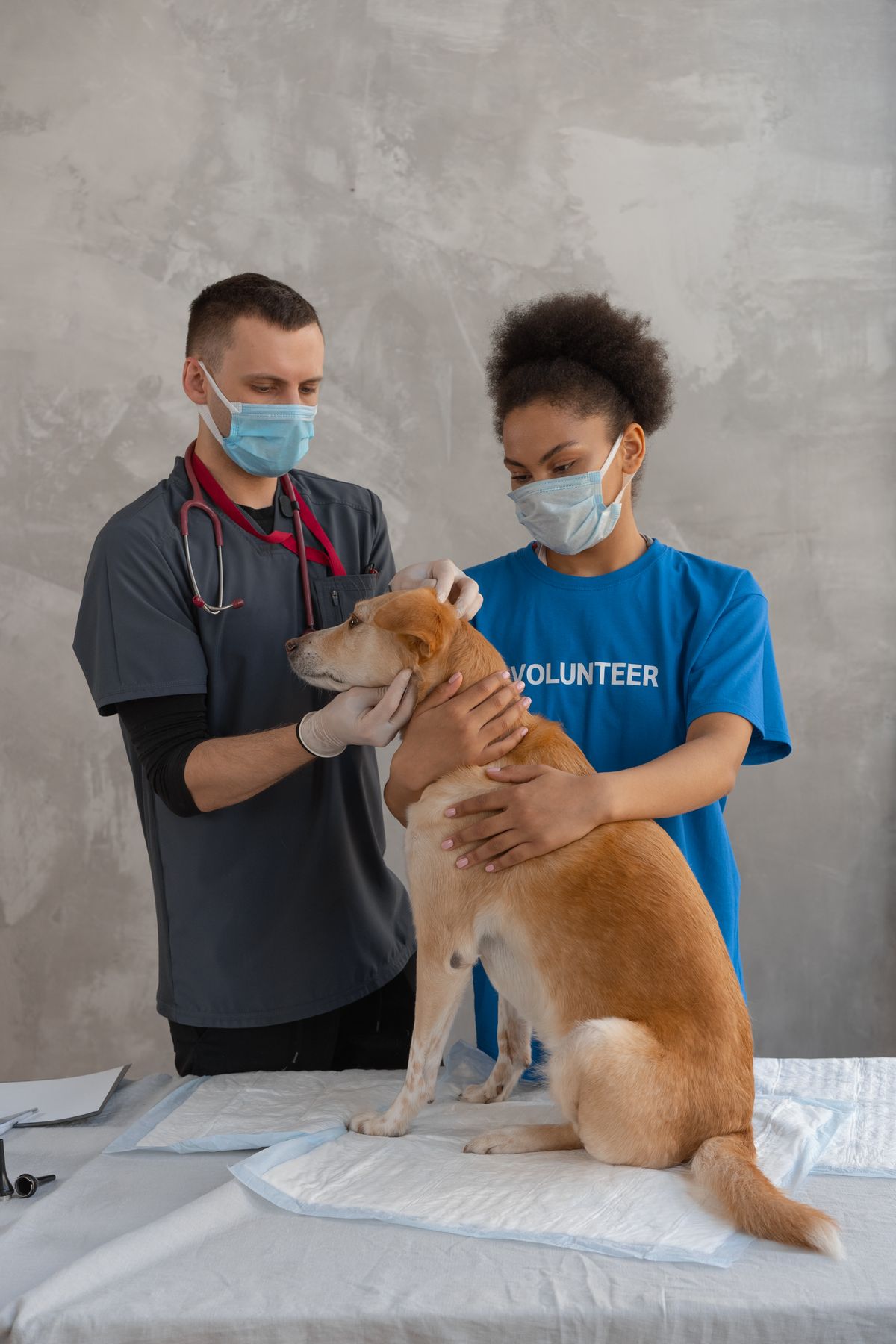

Vaccines are the first line of defense for protecting the lives of cats and dogs.
Administering them at the wrong time, missing a dose, or using the wrong vaccine can lead to anything from vaccine failure to infection with deadly viruses like canine distemper, canine parvovirus, or feline panleukopenia.
Many new pet owners are often confused: When should the shots be given? How many doses are needed? Which brands are best? What precautions should be taken afterward?
This article covers everything you need to know about cat and dog vaccines—schedules, dosage, brands, contraindications, and precautions—so new owners can follow the guidelines without making mistakes.
First, understand: What exactly do vaccines protect against?
Dog Vaccines (2 Core Categories)
Core Vaccines (Mandatory): Protect against canine distemper, parvovirus, adenovirus, and parainfluenza.
Rabies Vaccine: Exposure to the rabies virus carries a near-100% mortality rate; furthermore, proof of vaccination is required to obtain a dog license.

Cat vaccines (core category 2)
1. Core vaccines (required) against: feline distemper, feline herpes, cat cupping (cat triple)
2. Rabies vaccine All cats must be vaccinated, even if they don’t go out
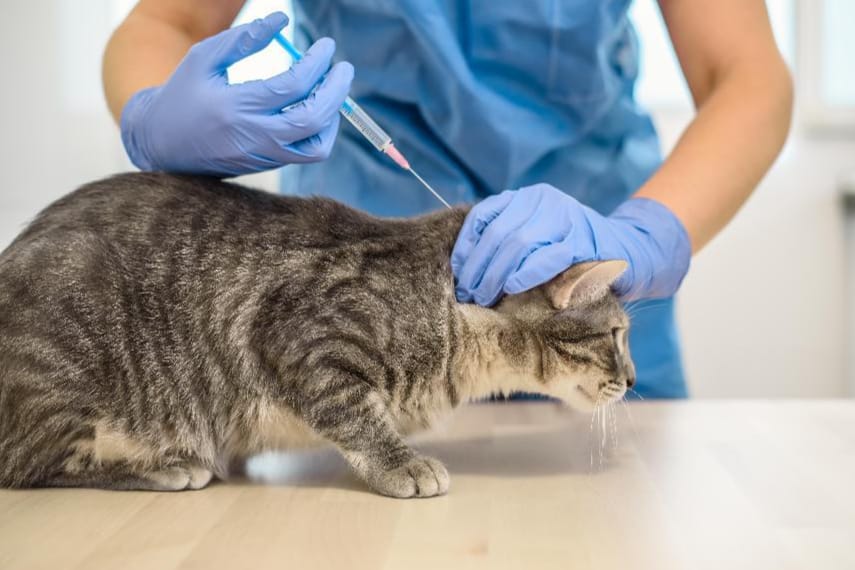
Second. Dog Vaccination Schedule
Puppies (Essential for first-time owners)
Weeks 6–8: 1st dose of combination vaccine
Weeks 10–12: 2nd dose of combination vaccine
Weeks 14–16: 3rd dose of combination vaccine
At 3 months of age: Rabies vaccine
Adult dogs (Over 1 year old)
Annually or every 3 years: Combination vaccine booster
Annually: Rabies vaccine
Third Cat Vaccination Schedule
Kittens
Week 8: 1st dose of feline combination vaccine (FVRCP)
Week 12: 2nd dose of feline combination vaccine (FVRCP)
At 3 months of age: Rabies vaccine
Adult cats (Over 1 year old)
Annually or every 3 years: Feline combination vaccine booster
Annually: Rabies vaccine
**FOUR、**Four conditions must be met before vaccination;
if they are not met, you absolutely must not proceed—doing so would be futile and could lead to complications!
Alert and active, with normal appetite and fluid intake.
No vomiting, diarrhea, or coughing.
Internal deworming completed (with a gap of at least 3–7 days).
Acclimated to the new home for 7–10 days with no signs of stress.
Five、Post-Vaccination Precautions (Crucial)
Remain at the clinic for 20–30 minutes after vaccination to monitor for acute allergic reactions (facial swelling, breathing difficulties, shock).
For the next 7 days: do not bathe the cat, avoid exposing it to cold or drafts, keep it indoors, and prevent contact with other cats or dogs.
Potential normal reactions: mild lethargy, reduced appetite, or a low-grade fever (resolves on its own within 1–2 days).
Seek immediate veterinary care if the following occur: persistent vomiting or diarrhea; instability or seizures; facial swelling or breathing difficulties; or refusal to eat or drink for more than 2 days.