PART 01
What is stress?
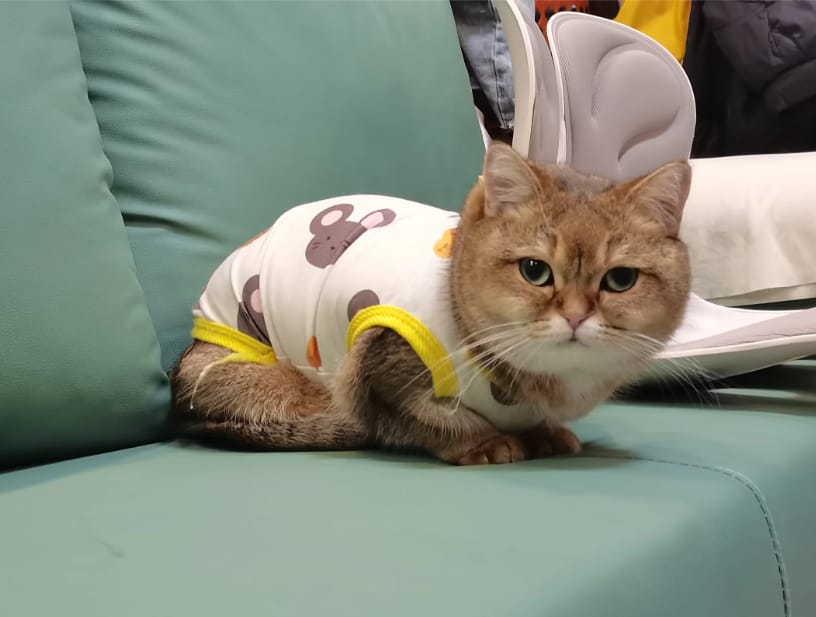
Simply put, stress in cats refers to the physiological and psychological reactions—such as tension, fear, and unease—that occur when they face environmental changes, frightening events, or pressure.
Common causes: · Forced bathing (cats fear water; they really don't need frequent baths!) · Frequent changes in environment (moving house or boarding requires an adjustment period) · Loud noises (renovations, firecrackers, or vacuum cleaners can startle them) · New pets or strangers in the home (disrupting their sense of security)
Stress falls into two categories: chronic (long-term) stress and acute stress. While short-term stress might just cause the cat to hide, prolonged or severe stress can directly harm their health and even trigger serious illnesses.
PART 02
Signs That Your Cat Is Stressed
Behavioral changes: Frequent hiding; reluctance to come out or interact; resisting being petted or held; inappropriate urination or defecation (not using the litter box); increased aggression (hissing, scratching, biting).
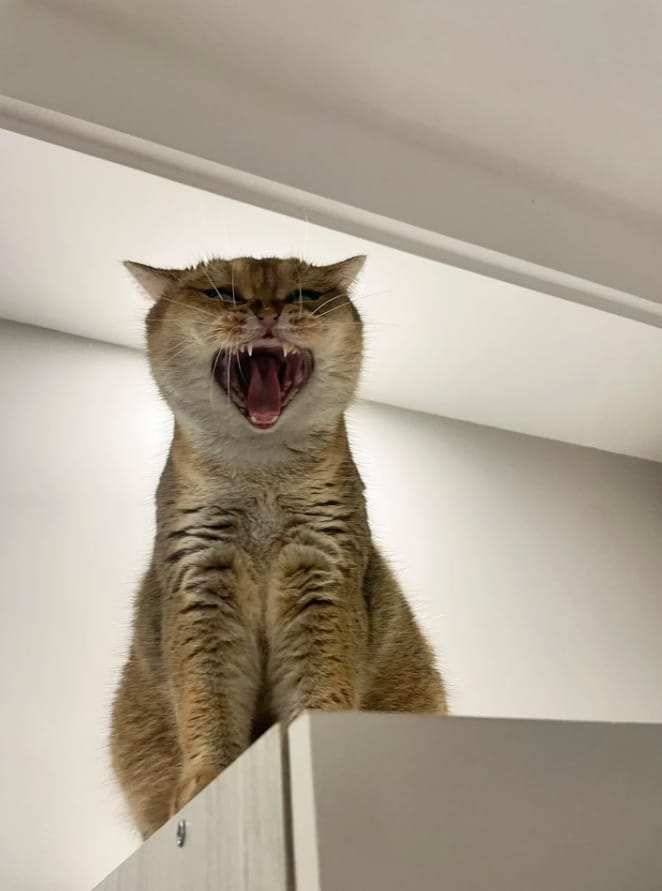
Body language: "Airplane ears" (ears flattened back or out to the sides); fur standing on end (on the back or tail); tail tucked or rapidly twitching; body tense and crouched low; constant urge to flee.
Physiological signs: Refusal to eat or drink; decreased appetite; vomiting, loose stools, or diarrhea; rapid breathing or panting; drooling. Do not ignore these symptoms if they appear!
PART 03
What to do if your cat is stressed?
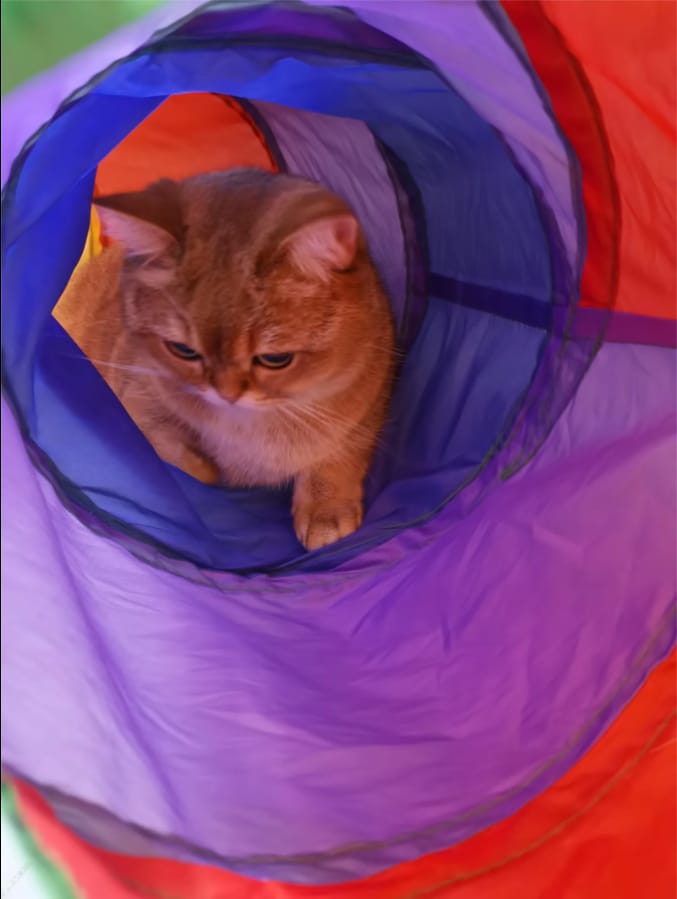
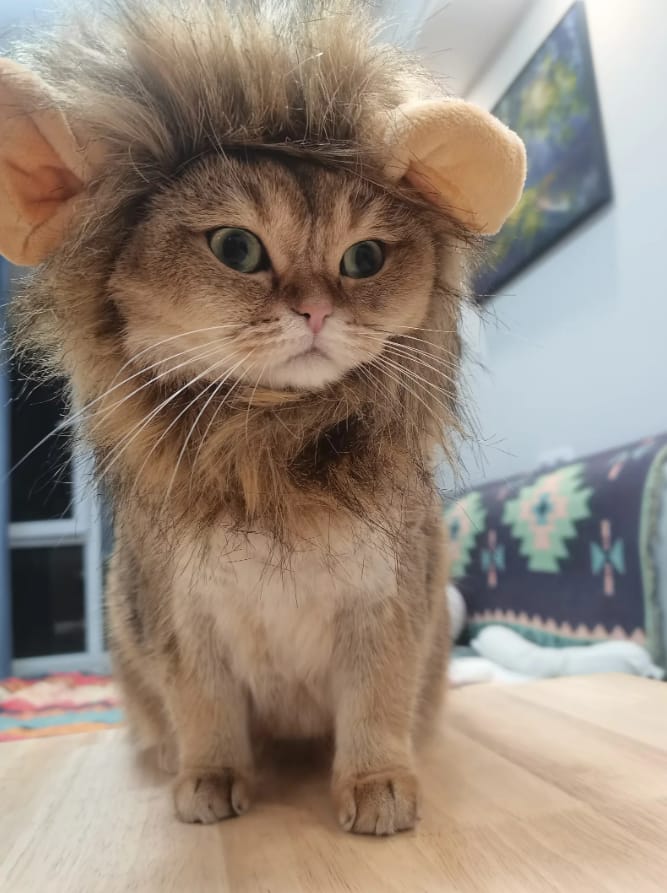
Create a safe corner: Find a cardboard box and place it in a dim, quiet spot, adding familiar toys and some of your worn clothing. This becomes their "safe haven"!
Do not force interaction
Never try to force cuddles or petting! Avoid chasing or compelling the cat to interact; wait for them to come to you on their own terms.
Use pheromone products
Spraying pheromone products in the safe corner can help the cat relax.
Seek veterinary care for severe cases
If the cat stops eating or drinking, experiences vomiting or diarrhea, or shows signs of rapid breathing, do not hesitate—take them to the vet immediately!