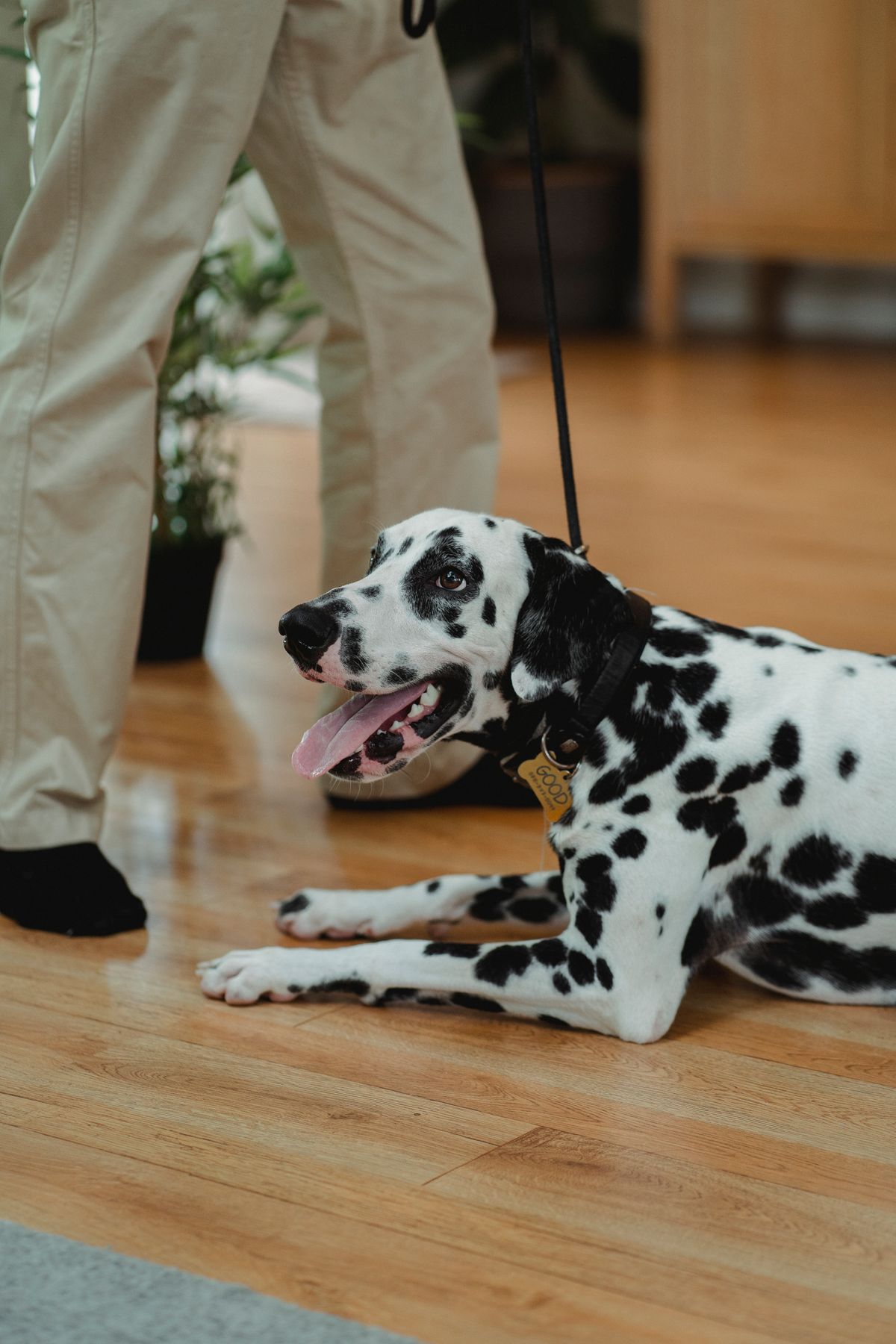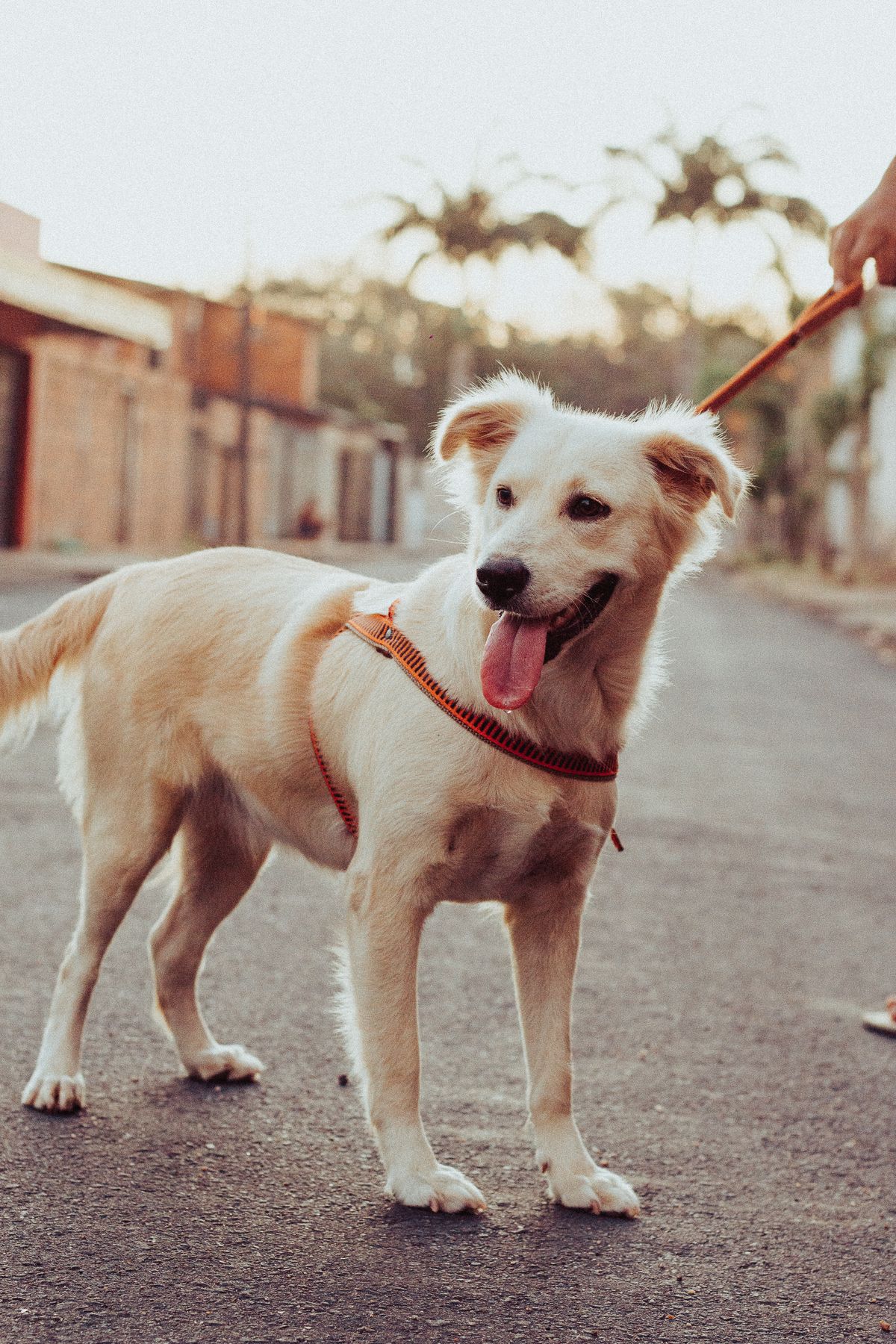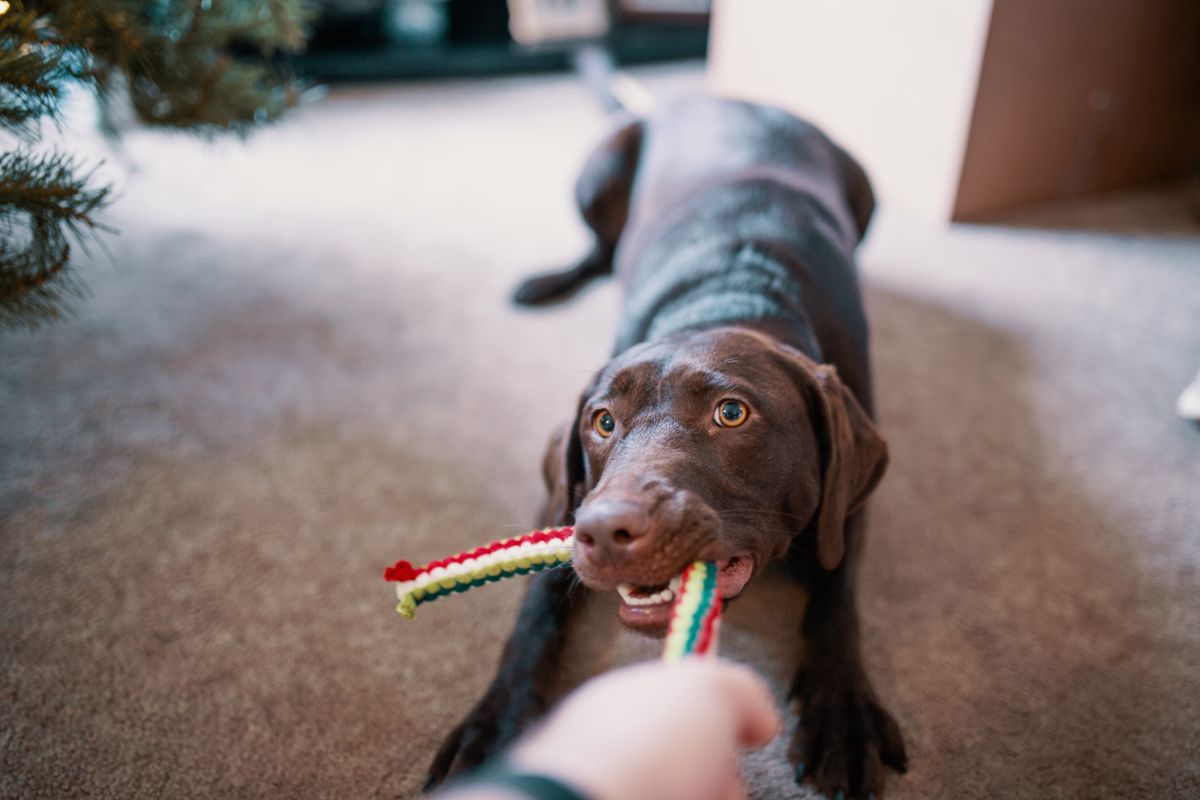

Many people believe that if they truly love their dog, the dog will naturally enjoy every affectionate gesture. However, since dogs cannot speak, they can only express fear, irritation, or annoyance through subtle body language. Behaviors we perceive as affectionate may actually feel like constant harassment to a dog. Over time, this can cause the dog to become distant or even develop stress-related issues and defensive behaviors like snapping or biting. Let’s look at some common behaviors that might be quietly upsetting your dog:
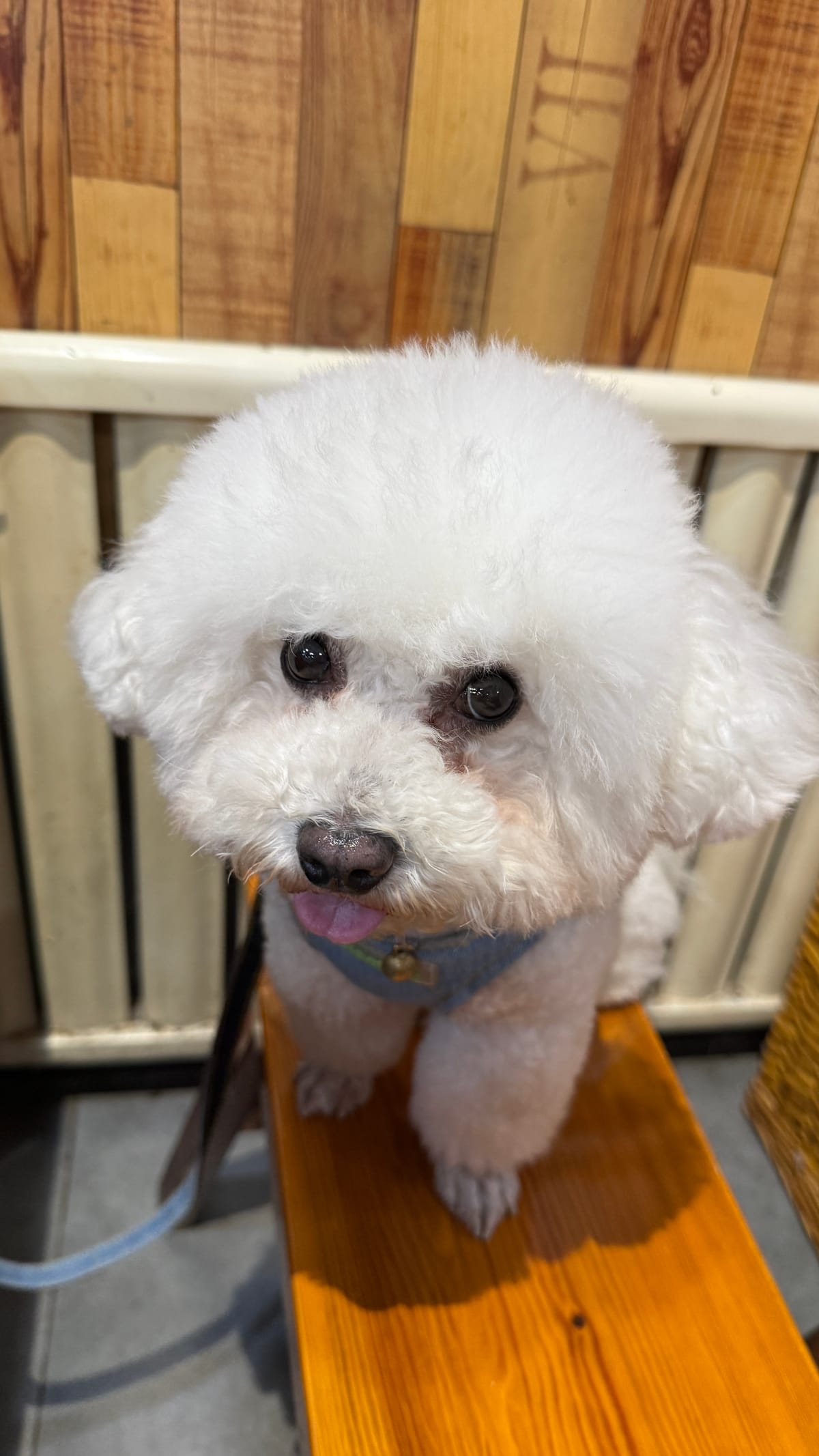
1. Touching the paw pads: Many people love touching a dog's paw pads, finding them soft and cute; however, these pads are densely packed with nerves and are a highly sensitive, private area for the dog. Forced contact can cause stress and anxiety, potentially leading the dog to guard its paws or pull away. If paw care is necessary, use gradual desensitization training.
2. Giving the dog the "silent treatment": Some owners use the silent treatment to punish a dog after it misbehaves, but the dog cannot comprehend this method. Prolonged neglect can lead to anxiety and low self-esteem, while chronic stress may cause physical health issues; avoid using the silent treatment as a form of communication.
3. Forcing kisses on the muzzle or blowing air into the nose: Many people kiss a dog's mouth or nose to show affection. In reality, dogs dislike having their muzzles touched; the pressure of close-range breathing makes them nervous, and there are hygiene concerns as well. Blowing air at a dog's nose stimulates its olfactory nerves and creates an overwhelming sense of pressure, easily triggering fear and anxiety. Frequent stimulation can cause psychological stress, so try to avoid these actions during daily interactions.
4. Leaning in and staring directly into the dog's eyes: While humans view eye contact as a sign of sincerity, in canine body language, a prolonged, direct stare is a signal of provocation or a threat. Many people lean in close to stare at a dog's face while taking photos, making the dog feel nervous or uneasy; timid dogs may even back away in fear. If you want to interact with your dog, a gentle, sideways glance is a better approach.
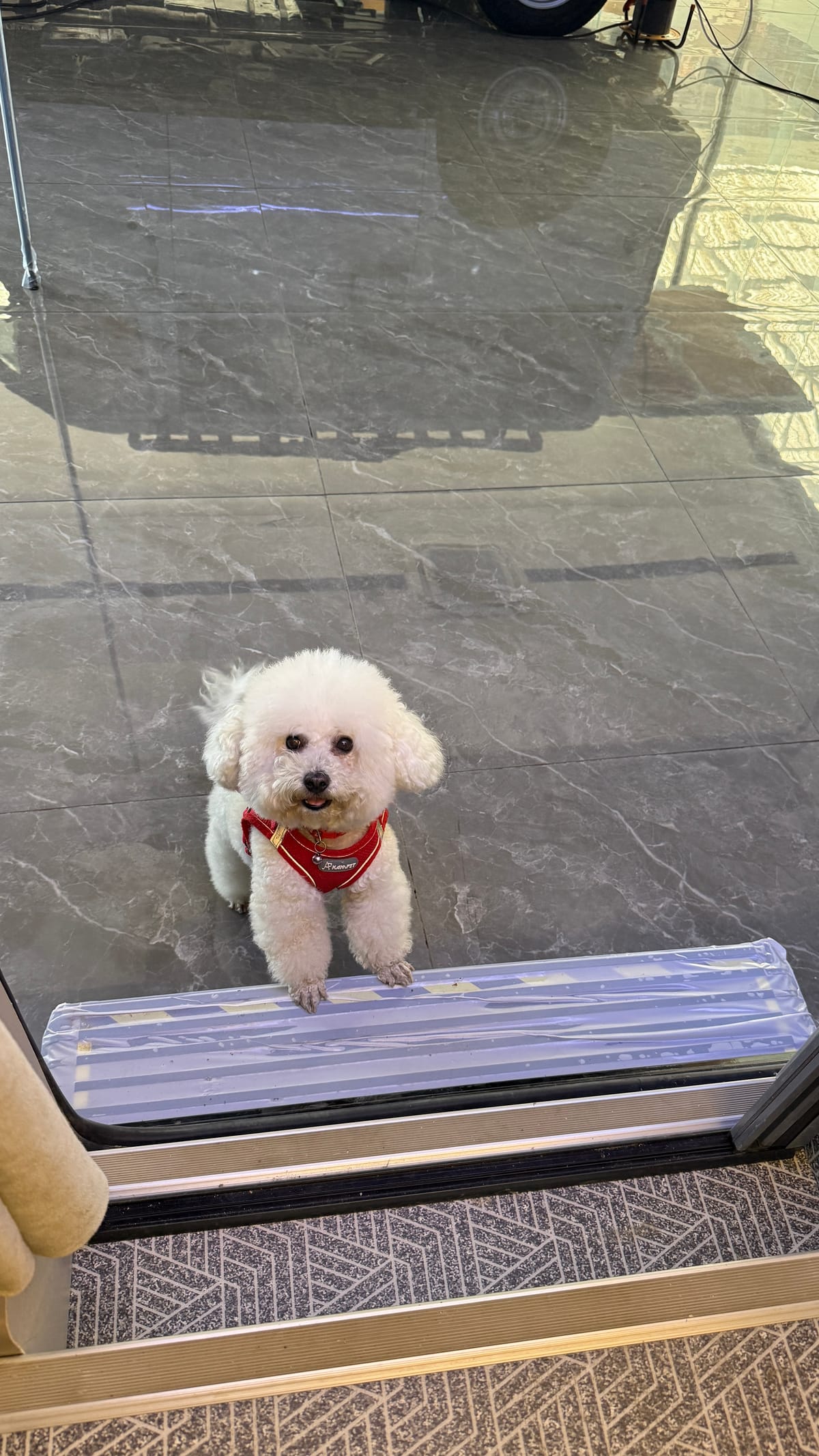
5. Disturbing the dog while it sleeps or eats: A dog needs to feel most secure when eating or sleeping. Constantly reaching out to pet its head while it naps, or touching its food bowl and mouth while it eats, can be unsettling. Repeatedly disturbing a dog can easily make it irritable; in severe cases, it may lead to resource guarding (protecting its food) or biting out of fright. Try to wait until it has finished eating or woken up from a nap before playing with it.
6. Squeezing the face, pulling the ears, or tugging the tail. Many owners find dogs adorable and like to squeeze their cheeks, pull their ears, or tug their tails for fun. However, a dog's face, ears, and tail have sensitive nerves, and pulling them causes pain. This isn't play—it is actual harassment that will cause the dog to become wary of you.
7. Loud scolding and forceful hitting. Loudly scolding or hitting a dog keeps it in a state of chronic fear and stress. Not only does this fail to correct behavior, but it also exacerbates timidity and defiance, and can even lead to defensive biting. Gentle, positive reinforcement is recommended for training.
8. Persistently chasing the dog to pet it or forcing a tight hug. Even after the dog has turned and walked away, you might still chase after it to keep petting it. When a dog walks away, it is sending a social signal: the interaction is over. Dog interaction is a two-way street; it only wants to be petted if it actively comes over to rub against you. If it wants to leave, stop immediately. Forcing physical contact or a tight embrace deprives the dog of an escape route, directly triggering an instinctive fear response. Timid dogs may struggle violently due to stress, potentially leading to defensive biting. Respect the dog's wishes when getting close; if it doesn't want to be held, let go immediately rather than restraining it by force.

✅ Quick Tip: Signs of stress in dogs include licking the nose, yawning, turning the head away, body stiffness, and pinning the ears back; these are all indications that the dog is uncomfortable. If you see these behaviors, please stop the interaction immediately.