InfosmotusThe Pet Journal
A journal for the way you live.

Categories

Pet Nutrition / THE JOURNAL

How to choose pet treats? Beginners should avoid buying these 5 types.

Those who truly know how to buy snacks are not the ones who buy the most, but rather those who understand when to give them, how much to give, and why.

david · July 15, 2026 · 2 min read
How to choose pet treats? Beginners should avoid buying these 5 types.

When chosen wisely, treats serve as training rewards; chosen poorly, they become a source of excess calories, digestive issues, and picky eating habits. Novice owners shouldn't focus solely on whether their pet enjoys the taste.
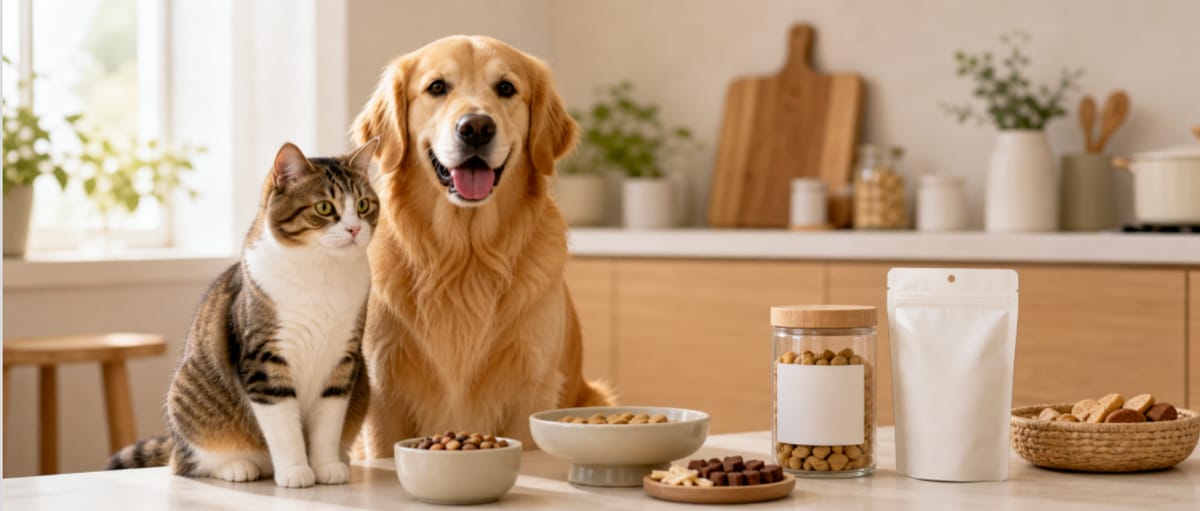
The primary purpose of treats is to provide rewards and nutritional supplements; they should not replace regular meals. Novice owners are easily swayed by enticing aromas, attractive packaging, and the fact that their pet enjoys the taste. When selecting treats, consider ingredients, calorie content, size, intended use, and your pet's physical condition. Do not treat snacks as a substitute for a main meal.

Training treats should be small; avoid filling the dog up just from the rewards.
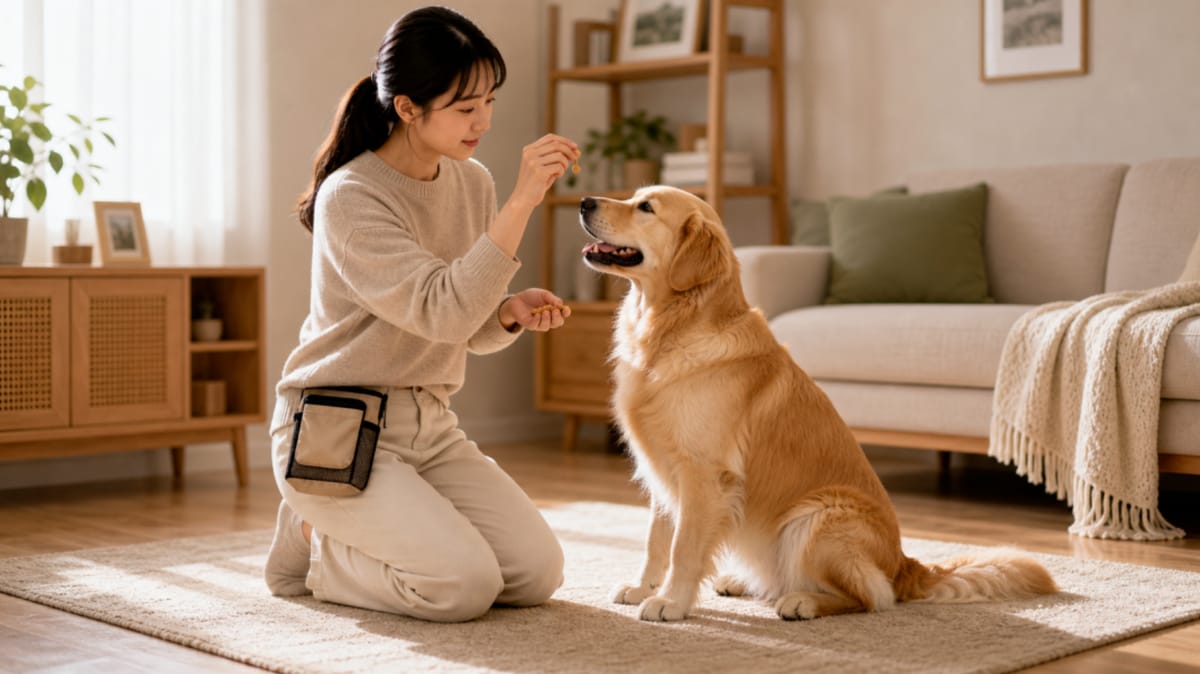
Training treats should be small, easy to swallow, and not prone to crumbling. Pieces that are too large can disrupt the training rhythm and easily lead to excessive calorie intake. Remember to factor these treats into the total daily caloric intake.

A strong aroma does not necessarily mean it is good.

Chewable treats are great for burning off energy, but they aren't suitable for every pet. Exercise caution with pets that have dental issues or a tendency to swallow quickly. It is best to supervise your pet while they enjoy these treats rather than simply leaving them unattended.

5 Types of Beginners Should Avoid Rash Purchases
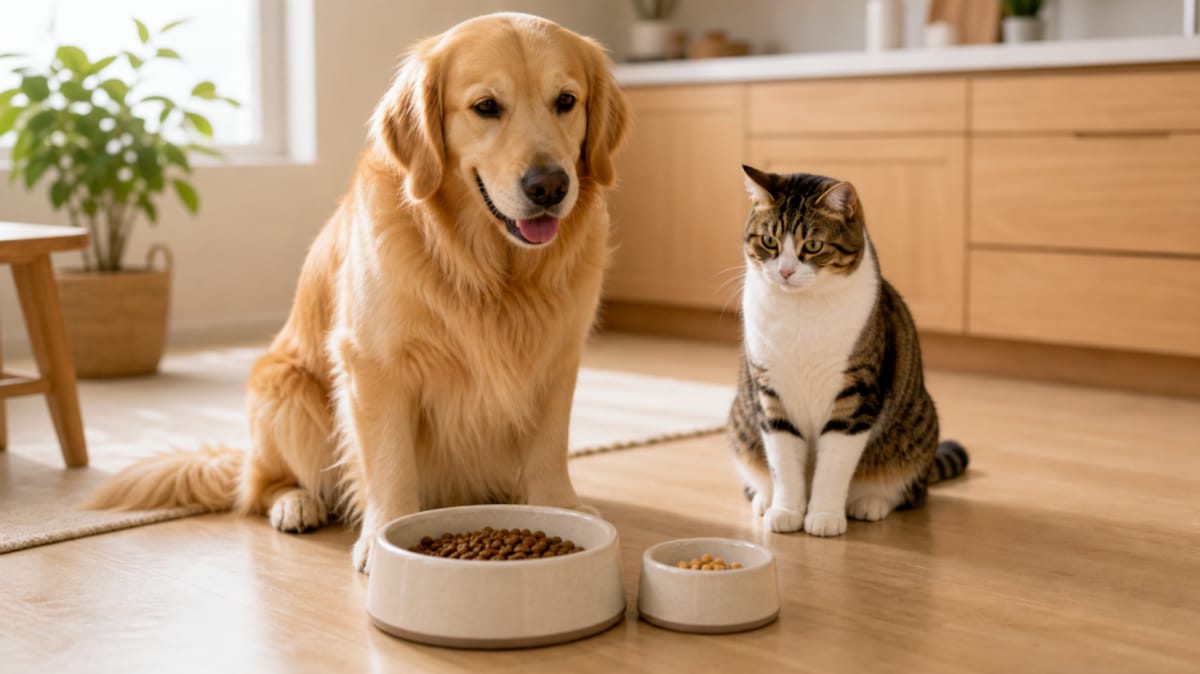
Exercise caution with snacks that are high in oil or salt, of unknown origin, excessively hard (like certain bones), improperly sized, or marketed as having medicinal properties. Snacks should support training and the bond with your pet, not place a burden on their digestive system.
General pet care information. For symptoms, treatment or individual dietary needs, contact a veterinarian.

Keep reading

Dalmatian eating from a metal food bowl on a wooden floor
Pet Nutrition NEW

From Bag to Bowl: Make Kibble Portions More Consistent

A scoop is convenient, but the amount it holds can change with the shape of the kibble, how deeply it is pushed into the bag, and whether the top is level. If different people feed the same pet, these small differences can add confusion.

November 6, 2026 · 7 min read
Two cats near individual food bowls indoors
Pet Nutrition NEW

Separate Meal Stations in a Home With Several Pets

In a home with several pets, feeding can look efficient while being difficult to understand. Two bowls go down, both become empty, and the household moves on.

November 6, 2026 · 7 min read
Brown dog eating kibble from a white bowl indoors
Pet Nutrition NEW

A Seven Day Feeding Log That Makes Pet Meals Easier to Discuss

When a pet's eating routine feels confusing, the temptation is to change several things at once: a new food, a different bowl, extra toppings, and another meal time. That can make the next conversation with your veterinary team harder.

November 6, 2026 · 7 min read

Privacy choices

Advertising partners may use cookies for personalised advertising. You can change Google ad personalisation in Google Ads Settings or manage cookies in your browser.

A certified consent message is not available on this page. Contact 19898710738@163.com for help with your choices. Read our Privacy Policy.