For new pet owners, the most common question is: exactly how much should I feed? Feeding too little can lead to malnutrition, stunted growth, hypoglycemia, and a weak constitution; feeding too much can cause obesity, loose stools, vomiting, and picky eating—and in severe cases, trigger pancreatitis or place a long-term strain on the joints and internal organs.

Many people feed their pets based on intuition—offering food whenever the animal seems to want it—only to end up with a host of health issues and regret not knowing about scientific feeding practices sooner. This article provides a comprehensive guide covering daily feeding standards, how to assess your pet's needs, and common pitfalls; by following these guidelines, novice owners can ensure their furry friends maintain a healthy digestive system, an ideal physique, and fewer illnesses.
The Most Accurate Feeding Amount Calculation Formula (Suitable for All Ages)
Determining how much a pet should eat daily shouldn't be a matter of guesswork; instead, the amount should be precisely calculated based on body weight—a standard practice among veterinarians and professional breeders.
Reference for total daily food intake: Puppies and kittens (2–6 months): 5%–6% of body weight; adult dogs and cats (1–7 years): 3%–4% of body weight; senior dogs and cats (8+ years): 2.5%–3% of body weight. To take a simple example: an adult dog weighing 5 kg would have a daily intake of 5 kg × 3% = 150 g, while an adult cat weighing 4 kg would have a daily intake of 4 kg × 4% = 160 g. This represents the total daily amount; dividing it into 2–3 meals is the safest approach and is gentlest on the digestive system.
Scientifically planned feeding frequency
Many people focus only on the quantity of food rather than the frequency of meals; however, an improper feeding schedule can still lead to loose stools or indigestion.
2–4 months: 4 meals daily (small, frequent portions to prevent hypoglycemia);
4–6 months: 3 meals daily (a critical period for growth and development);
6 months to 1 year: 2 meals daily (as the digestive system stabilizes);
Adults (over 1 year): 2 meals daily (morning and evening). Cats, in particular, are better suited to small, frequent meals, with 2–3 meals a day aligning best with their natural instincts. Establishing a regular feeding routine helps the digestive system develop a stable rhythm—a practice far more important than simply feeding expensive food.
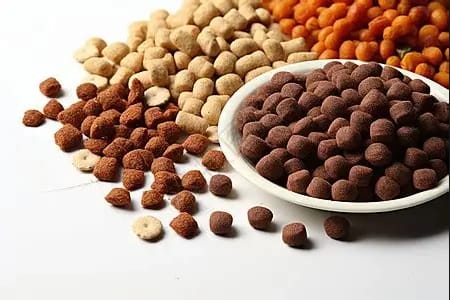
Three golden Standards: Instantly Tell If You're Feeding Correctly
First, feel the ribs. You should be able to feel them with a light touch—neither requiring effort to locate nor protruding sharply—which indicates an ideal body condition; if they are completely undetectable, the pet is being overfed, whereas if they protrude prominently, it is being underfed.
Second, observe the stool. Stool that is well-formed, neither too soft nor too hard, and can be picked up without leaving residue on the ground indicates the right amount of food; soft or sticky stool usually suggests overfeeding; dry, hard, or pellet-like stool indicates insufficient water intake or underfeeding.
Third, check the abdomen. A belly that is slightly rounded after a meal—without being distended or sagging—is ideal; a belly that looks round and taut like a small ball indicates overeating; a belly that remains sunken suggests the pet hasn't eaten enough.
Four Common Feeding Mistakes Beginners Make
First, feeding whenever the pet wants to eat; pets often don't know when they are full—especially puppies and kittens—making them prone to developing gastroenteritis from overeating.
Second, treating treats as a main meal; this leads to nutritional imbalances and can cause the pet to become a picky eater.
Third, switching food abruptly without a transition period; this almost guarantees loose stools due to their sensitive digestive systems.
Fourth, irregular feeding times and inconsistent portions; this disrupts digestive health over the long term, making it difficult for the pet to thrive.
Flexible Adjustments for Special Situations
Reduce food intake by 10–20% during seasonal changes, periods of stress, or after vaccinations; increase portions slightly during periods of high physical activity; reduce intake by 15% after neutering or spaying to prevent weight gain; and if loose stools occur, first reduce the food portion and add probiotics rather than blindly switching medications.